Books › In Harm's Way

In Harm's Way
432 pages
A visceral, heart-pounding descent into one of history's most terrifying survival ordeals, where human resilience battles an unforgiving ocean.
What it feels like
Reading this book feels like being plunged into a nightmare you cannot look away from. It is a propulsive, dread-soaked narrative that strips away the romanticism of war to expose the raw, agonizing reality of survival. The prose is cinematic and unflinching, anchoring you to the terrifying vastness of the Pacific Ocean and the relentless physical and psychological torment of the men adrift. Yet, beneath the visceral horror of shark attacks and dehydration, there is a profound reverence for human endurance and the quiet, desperate bonds forged in the darkest of hours. It is an emotionally exhausting but deeply awe-inspiring experience, perfect for readers who devour gripping, true-life tales of resilience, leaving a lingering, haunting respect for those who lived it.
- Mood
- dread-soaked
- harrowing
- claustrophobic
- tense
- awe-inspiring
- Tone
- journalistic
- urgent
- reverent
- unflinching
- compassionate
- Pace
- propulsive
- Themes
- the limits of human endurance · institutional betrayal · camaraderie in crisis · the randomness of survival · trauma and memory
- The writing
- Immersive and cinematic, blending meticulous historical research with visceral, moment-by-moment pacing that puts the reader directly in the water.
- The arc
- Moves from the sudden, shocking chaos of disaster into a grueling, agonizing test of endurance, culminating in a bittersweet, haunting rescue and the heavy burden of survival.
- Who it's for
- Readers who are drawn to intense, true-life survival stories and deeply human accounts of military history that focus on the individuals rather than the grand strategy.
Content notes
- graphic violence
- animal attacks
- drowning
- starvation and dehydration
- suicide and dementia
- PTSD and trauma
About the book
On July 30, 1945, the "USS Indianapolis" was torpedoed in the South Pacific by a Japanese submarine. An estimated three hundred men were killed upon impact; close to nine hundred sailors were cast into the Pacific Ocean, where they struggled to stay alive, battered by a savage sea and fighting off sharks, hypothermia, and dementia. By the time help arrived--nearly four days and nights later--all but 317 men had died. How did the navy fail to realize the Indianapolis was missing? Why was the cruiser traveling unescorted in enemy waters? And how did these 317 men manage to survive? Interweaving the stories of three survivors--the captain, the ship's doctor, and a young marine--journalist Doug Stanton has brought this astonishing human drama to life in a narrative that is at once immediate and timeless.
The definitive account of this harrowing chapter of World War II history--already a bestseller in its hardcover and mass market editions--"In Harm's Way" is a classic tale of war, survival, and extraordinary courage.
Description from Open Library.
Books like In Harm's Way
See why they match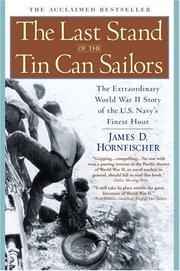 The last stand of the tin can sailorsJames D. HornfischerA harrowing, intensely focused plunge into a desperate naval battle where unimaginable courage meets overwhelming odds.
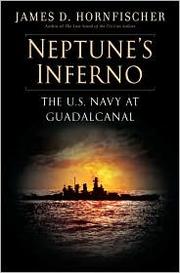 Neptune's InfernoJames D. HornfischerA visceral, harrowing plunge into the brutal realities of naval warfare and the immense human cost of a turning point in history.
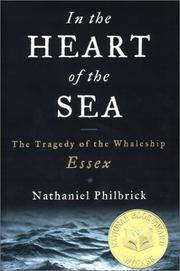 In the Heart of the SeaNathaniel PhilbrickA harrowing, meticulously researched descent into the ultimate maritime nightmare of survival and desperation.
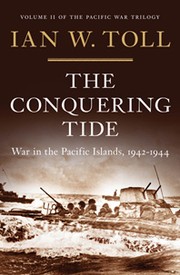 The conquering tideIan W. TollA sweeping, authoritative immersion into the strategic depths and immense scale of World War II naval combat.
 Shadow DiversRobert KursonA breathless, claustrophobic plunge into the depths of human obsession and the perilous allure of unsolved history.
 Lost in Shangri-laMitchell ZuckoffA gripping, cinematic survival epic that plunges you into an unforgiving jungle and keeps your heart racing until the final rescue.