Books › Industrial Society and Its Future

Industrial Society and Its Future
First published 1996 · 240 pages
A chillingly methodical dissection of modern alienation that uses the cold logic of academia to justify apocalyptic radicalism.
What it feels like
Reading this manifesto is a deeply unsettling experience, not because it is chaotic, but because it is so relentlessly structured. The prose is clinical and methodical, marching through numbered paragraphs with the detached authority of an academic paper while arguing for the total destruction of the modern world. It wraps the reader in a claustrophobic, paranoid atmosphere, diagnosing the psychological toll of technological acceleration with a lucidity that makes its violent conclusions all the more disturbing. The tone is uncompromising and urgent, stripping away the comforts of contemporary life to expose a stark vision of eroded autonomy. It is a fascinating, dark artifact for those drawn to extremist political theory, anti-industrial philosophy, and the chilling intersection of high intellect and radical alienation.
- Mood
- oppressive
- unsettling
- stark
- claustrophobic
- Tone
- clinical
- dogmatic
- urgent
- uncompromising
- Pace
- steady
- Themes
- technological alienation · erosion of autonomy · anti-industrialism · the illusion of freedom · systemic collapse
- The writing
- Highly structured, lucid, and chillingly rational, employing the detached vocabulary of sociology to argue for extreme measures.
- The arc
- Begins with a sweeping diagnosis of societal malaise and builds into a relentless, chilling call for total systemic collapse.
- Who it's for
- Readers fascinated by radical political theory, the psychology of extremism, and uncompromising critiques of technological acceleration.
Content notes
- extremist ideology
- terrorism
- violence
- psychological distress
About the book
In 1971 Dr. Theodore Kaczynski rejected modern society and moved to a primitive cabin in the woods of Montana. There, he began building bombs, which he sent to professors and executives to express his disdain for modern society, and to work on his magnum opus, Industrial Society and Its Future, forever known to the world as the Unabomber Manifesto. Responsible for three deaths and more than twenty casualties over two decades, he was finally identifed and apprehended when his brother recognized his writing style while reading the 'Unabomber Manifesto.' The piece, written under the pseudonym FC (Freedom Club) was published in the New York Times after his promise to cease the bombing if a major publication printed it in its entirety.
Description from Open Library.
Books like Industrial Society and Its Future
See why they match How to Blow up a PipelineAndreas MalmA fiery, unapologetic manifesto that channels climate despair into a razor-sharp argument for radical, disruptive action.
 TechnopolyNeil PostmanA sharp, prophetic warning about the ways our tools have quietly become our masters, delivered with wit and humanist warmth.
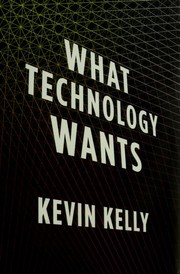 What technology wantsKevin KellyA sweeping, optimistic reframing of technology as a living, evolving force deeply intertwined with human destiny.
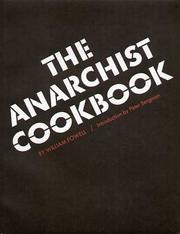 The Anarchist CookbookWilliam PowellA gritty, controversial artifact of 1970s counterculture that reads like a raw manual for societal disruption.
 The Ecology of FreedomMurray BookchinA sweeping, interdisciplinary manifesto that traces the roots of human domination and charts a visionary path toward ecological liberation.
 Turner Diaries (Audio)Andrew MacDonaldA chilling, diary-format descent into extremist paranoia and violent radicalization that serves as a grim historical artifact.