Books › Introduction to Management

Introduction to Management
First published 1994 · 667 pages
A steady, instructive guide that uses classical history to illuminate the timeless principles of leading by example.
What it feels like
Reading this foundational text feels like sitting in a structured, thought-provoking seminar on the essence of leadership. The pace is steady and deliberate, guiding the reader through the mechanics of organization and authority with a pragmatic, instructive tone. Rather than relying solely on dry corporate theory, the narrative is punctuated by classical historical analogies, evoking figures like Julius Caesar to underscore the timeless necessity of leading by example. The mood is distinctly professional yet contemplative, creating an atmosphere of serious inquiry into what makes a manager truly effective. It is a deeply grounding experience, designed to delight aspiring leaders and business students who crave clear, authoritative prose that bridges the gap between ancient leadership and modern organizational strategy.
- Mood
- professional
- structured
- contemplative
- Tone
- instructive
- authoritative
- pragmatic
- historical
- Pace
- steady
- Themes
- leadership by example · organizational structure · practical authority · historical lessons in management
- The writing
- Clear, didactic, and anchored by evocative historical analogies that illustrate practical principles.
- The arc
- Moves from a curiosity about historical authority to a grounded, structured understanding of modern leadership.
- Who it's for
- Aspiring leaders and students of business who appreciate foundational management theories paired with classical examples.
About the book
'Julius Caesar never asked anyone to do anything that he was not willing to do himself.'
Description from Open Library.
Books like Introduction to Management
See why they match New era of managementRichard L. DaftA structured, pragmatic guide that transforms complex organizational theories into actionable leadership strategies.
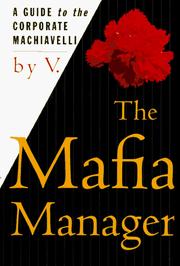 The Mafia managerJosat, JulesA cutthroat, darkly humorous manual for corporate survival that trades synergy and buzzwords for brass knuckles and Machiavellian cunning.
 Managing organizational behaviorRobert RubinA pragmatic, structured guide to mastering the skills and behaviors that define effective leadership.
 Managing OneselfPeter F. DruckerA crisp, no-nonsense masterclass in treating your own mind and career with the strategic rigor of a CEO.
 Fundamentals of ManagementStephen P. RobbinsA structured, pragmatic guide that grounds the reader in the essential mechanics of organizational leadership and digital commerce.
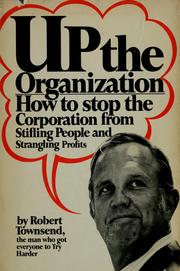 Up the organizationTownsend, RobertA delightfully blunt, A-to-Z survival guide for dismantling corporate bureaucracy and injecting common sense back into the workplace.