Books › Introduction to Probability and Statistics

Introduction to Probability and Statistics
First published 1967 · 783 pages
A rigorous, foundational journey through the mathematics of uncertainty that transforms abstract numbers into logical clarity.
What it feels like
Reading this classic text feels like constructing a sturdy intellectual building from the ground up. The pace is inherently steady, demanding a methodical approach as you move from basic axioms to complex inferential logic. There is a distinct comfort in its dry, objective tone; the prose strips away ambiguity, offering instead the clean, unadorned beauty of mathematical precision. The mood is deeply focused and rigorous, creating a quiet, studious atmosphere where the chaos of raw data is slowly tamed by classical frameworks. It is a deeply satisfying experience for the analytical mind, rewarding patience and careful study with the profound clarity of understanding how to quantify and interpret the uncertainties of the world.
- Mood
- structured
- intellectual
- rigorous
- focused
- Tone
- objective
- instructional
- authoritative
- methodical
- Pace
- steady
- Themes
- logical reasoning · foundations of inference · quantifying uncertainty · empirical truth
- The writing
- Direct, unadorned, and highly structured, prioritizing pedagogical clarity and mathematical precision above all else.
- The arc
- Moves from the daunting complexity of raw data to the satisfying clarity of structured, logical inference.
- Who it's for
- Students and analytical thinkers who appreciate a classical, no-nonsense approach to mastering the mechanics of probability.
About the book
"This text focuses on statistical inference as the objective of statistics, emphasizing inference making. This revision introduces a range of modern ideas, while preserving the overall classical framework."--Publisher description.
Description from Open Library.
Books like Introduction to Probability and Statistics
See why they match Statistics for management and economicsWilliam MendenhallA rigorous, methodical immersion into the foundational tools of quantitative analysis and data-driven decision making.
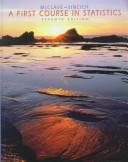 A first course in statisticsJames T. McClave and Terry SincichA structured, methodical journey into the mechanics of data and probability.
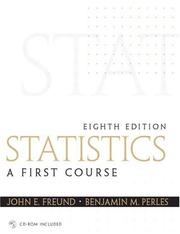 StatisticsJohn E. FreundA rigorous, no-nonsense journey into the foundational logic of probability and data.
- Basic statisticsChris SpatzA patient, structured guide that transforms the daunting world of numbers into an accessible toolkit for understanding reality.
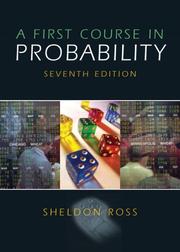 A first course in probabilitySheldon M. RossA rigorous yet intuitive journey through the mathematics of chance, rewarding patient study with profound logical clarity.
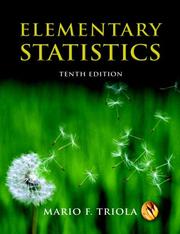 Elementary statisticsMario F. TriolaA structured, methodical journey through the mechanics of data that transforms numerical chaos into clear, actionable insights.