Books › Isaac Newton

Isaac Newton
First published 2003 · 289 pages
An elegant, atmospheric plunge into the obsessive and brilliant mind that dragged humanity out of the dark ages and into the light of modern physics.
What it feels like
Reading this biography feels like stepping into a dimly lit seventeenth-century study, surrounded by alchemical texts and the quiet, crackling energy of a mind on the verge of reshaping reality. The pace is steady and deliberate, matching the meticulous, obsessive nature of its subject. Gleick’s prose is elegant and evocative, translating the dense, invisible forces of calculus and gravity into a deeply human story of isolation, rage, and unparalleled genius. The mood is solitary yet awe-inspiring, capturing the tension between medieval mysticism and the dawn of modern science. It is a deeply satisfying read for anyone who loves intellectual history, offering a profound sense of wonder at how one difficult, secretive man managed to decode the architecture of the cosmos.
- Mood
- contemplative
- intellectual
- solitary
- awe-inspiring
- Tone
- erudite
- analytical
- evocative
- objective
- Pace
- steady
- Themes
- the burden of genius · birth of modern science · mysticism vs. mathematics · obsessive isolation
- The writing
- Elegant and precise, the prose effortlessly bridges the gap between dense mathematical concepts and poetic historical narrative.
- The arc
- Journeys from the claustrophobic intensity of a solitary, obsessive mind to a sweeping sense of awe at the decoding of the universe.
- Who it's for
- Intellectually curious readers who want to understand not just the discoveries of a genius, but the strange, alchemical mind that produced them.
Content notes
- mental health struggles
- isolation
About the book
"In this biography, James Gleick moves between a comprehensive historical portrait and a dramatic focus on Newton's significant letters and unpublished notebooks to illuminate the real importance of his work in physics, in optics, and in calculus. He makes us see the old intuitive, alchemical universe out of which Newton's mathematics first arose and shows us how Newton's ideas have altered all forms of understanding from history to philosophy. And he gives us an account of the conflicting impulses that pulled at this man's heart: his quiet longings, his rage, his secrecy, the extraordinary subtleties of personality that were mirrored in the invisible forces he first identified as the building blocks of science. More than biography, more than history, more than science, Isaac Newton tells us how, through the mind of one man, we have come to know our place in the cosmos."--BOOK JACKET
Description from Open Library.
Books like Isaac Newton
See why they match GeniusJames GleickAn exhilarating journey into the mind of a brilliant, bongo-playing iconoclast who saw the universe differently than anyone else.
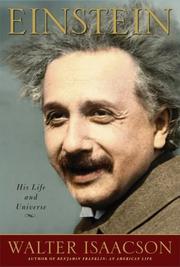 EinsteinWalter IsaacsonAn expansive, illuminating journey into the rebellious mind of a man who unlocked the universe while struggling with the gravity of his own human life.
 Newton and the counterfeiterThomas LevensonA legendary genius descends into the gritty underworld of seventeenth-century London to play a deadly game of cat-and-mouse.
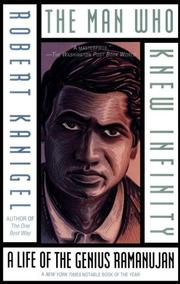 The Man Who Knew InfinityRobert KanigelA deeply moving portrait of raw genius and the profound, tragic collision of two vastly different worlds united by the language of mathematics.
 No Ordinary GeniusRichard Phillips FeynmanAn infectious, visually rich celebration of a mind that refused to take the universe—or itself—too seriously.
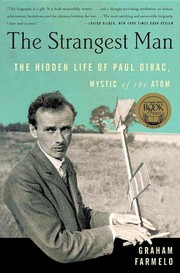 The strangest manGraham FarmeloAn illuminating journey into the brilliant, contradictory mind of one of modern science's most enigmatic figures.