Books › Istanbul

Istanbul
624 pages
A deeply atmospheric stroll through the fading grandeur of a fallen empire, guided by the ghosts of childhood memory.
What it feels like
Reading this book feels like taking a long, solitary walk through a city shrouded in winter mist, where every crumbling mansion and narrow alleyway whispers a forgotten story. The narrative pace is intentionally meandering, mirroring the act of wandering through both physical streets and the labyrinth of memory. It is steeped in a profound, communal melancholy that wraps around the reader like a heavy, comforting coat. The prose is lyrical and deeply observant, layering intimate family portraits over the sweeping, faded grandeur of a fallen empire. It will deeply satisfy readers who crave atmospheric, place-based memoirs and those who love to lose themselves in the bittersweet intersection of personal identity and urban history.
- Mood
- nostalgic
- atmospheric
- wistful
- shadowed
- Tone
- reflective
- elegiac
- intimate
- observant
- Pace
- meandering
- Themes
- the weight of history · fading empires · family dysfunction · the birth of an artist · memory and place
- The writing
- The prose is lyrical, winding, and deeply evocative, layering sensory details with philosophical musings.
- The arc
- The journey moves from the fragmented, mythic memories of childhood to a crystallized, bittersweet understanding of the self as an artist bound to a decaying city.
- Who it's for
- Readers who love atmospheric, place-based memoirs and are drawn to the intersection of personal history and urban decay will devour this.
Content notes
- family dysfunction
- depression
About the book
A shimmering evocation, by turns intimate and panoramic, of one of the world’s great cities, by its foremost writer. Orhan Pamuk was born in Istanbul and still lives in the family apartment building where his mother first held him in her arms. His portrait of his city is thus also a self-portrait, refracted by memory and the melancholy—or hüzün—that all Istanbullus share.
With cinematic fluidity, Pamuk moves from his glamorous, unhappy parents to the gorgeous, decrepit mansions overlooking the Bosphorus; from the dawning of his self-consciousness to the writers and painters—both Turkish and foreign—who would shape his consciousness of his city. Like Joyce’s Dublin and Borges’ Buenos Aires, Pamuk’s Istanbul is a triumphant encounter of place and sensibility, beautifully written and immensely moving.
Description from Open Library.
Books like Istanbul
See why they match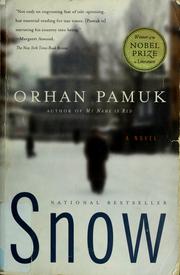 SnowOrhan PamukA mesmerizing, snow-muffled descent into the dangerous intersection of art, faith, and political fanaticism.
 Kara KitapOrhan PamukA dizzying, atmospheric descent into the labyrinth of a city and the fractured nature of identity.
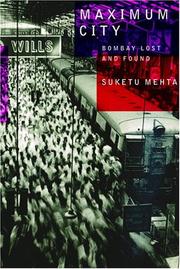 Maximum CitySuketu MehtaA visceral, kaleidoscopic plunge into the beautiful, brutal, and relentless heart of a modern megacity.
 The Dervish HouseIan McDonaldA kaleidoscopic, near-future thriller where ancient history and bleeding-edge nanotechnology collide in the bustling streets of Istanbul.
 Life of Samuel JohnsonJames BoswellPull up a chair in a bustling 18th-century London tavern and listen to the greatest conversationalist of the age hold court.
 HonourElif ShafakA sweeping, melancholic journey through three generations of a Kurdish family, tracing the tragic threads of love, tradition, and memory from the Euphrates to London.