Books › Iterations

Iterations
199 pages
A fascinating, retro-futuristic time capsule that captures the exact moment when digital technology began to fundamentally fracture and reshape visual art.
What it feels like
Reading this book feels like stepping into a perfectly preserved time capsule from the early 1990s, right at the precipice of the digital revolution. The pace is steady and deliberate, inviting you to linger over curatorial essays that blend dense academic theory with visionary foresight. There is a distinctly retro-futuristic mood that permeates the pages, as you encounter the hopes, anxieties, and radical experiments of artists grappling with nascent computer technologies. The prose is analytical and deeply intellectual, demanding a reader who enjoys unpacking the philosophical implications of the digital image. It will thoroughly delight media theorists, art historians, and anyone captivated by the foundational moments when human creativity first collided with the boundless possibilities of the machine.
- Mood
- intellectual
- retro-futuristic
- contemplative
- Tone
- analytical
- academic
- visionary
- curatorial
- Pace
- steady
- Themes
- the dawn of digital culture · technological mediation of reality · evolution of the image · human-machine interaction
- The writing
- Academic and curatorial, blending dense theoretical critique with precise visual analysis.
- The arc
- Begins as a historical curiosity and deepens into a profound appreciation for the prescience of early digital artists.
- Who it's for
- Art historians, media theorists, and retro-tech enthusiasts fascinated by the foundational era of digital media.
About the book
Includes bibliographical references (p. 189-196). "July 11-August 29, 1993, Montage 93: International Festival of the Image, Rochester, New York; October 15, 1993-January 21, 1994, International Center of Photography Midtown, New York, New York"--T.p. verso.
Description from Open Library.
Books like Iterations
See why they match Game Worlds of Jason RohrerMichael Maizels and Patrick JagodaA visually striking and intellectually rigorous gallery tour through the mind of one of indie gaming's most enigmatic auteurs.
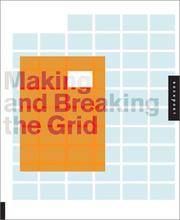 Making and breaking the gridRockport PublishersA masterclass in the architecture of visual space that teaches you the rules just so you can beautifully destroy them.
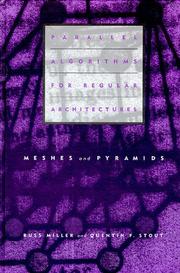 Parallel algorithms for regular architecturesRuss MillerA rigorous, cerebral deep dive into the mathematical elegance and structural logic of parallel computing.
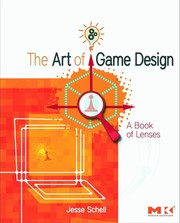 The art of game designJesse SchellA masterclass in seeing the world through the playful, analytical eyes of a creator.
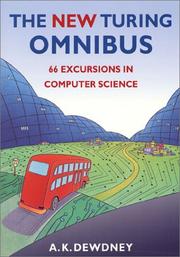 The (new) turing omnibusA.K. DewdneyA guided tour through the elegant, invisible architecture of logic that powers the modern world.
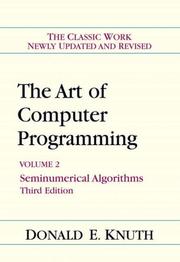 The art of computer programmingDonald KnuthA monumental, intellectually demanding pilgrimage into the mathematical soul of computation.