Books › Jazz

Jazz
368 pages
A syncopated, intoxicating plunge into the vibrant chaos of 1920s Harlem and the haunting echoes of the past.
What it feels like
Reading this novel feels like listening to a masterful jazz solo, unpredictable, deeply emotional, and brilliantly structured beneath its improvisational surface. The narrative does not march forward; instead, it meanders, circles back, and riffs on its central tragedy, pulling you into a mesmerizing web of voices and memories. The prose is intoxicatingly rhythmic, demanding that you slow down and let the musicality of the sentences wash over you. It is a vibrant, melancholic exploration of city life, obsessive love, and the inescapable shadows of history. Perfect for readers who savor lush, challenging literary fiction, this is a book that immerses you in the sensory overload of the Harlem Renaissance while breaking your heart with its profound, intimate sorrow.
- Mood
- intoxicating
- melancholic
- vibrant
- haunting
- Tone
- lyrical
- intimate
- rhythmic
- sorrowful
- knowing
- Pace
- meandering
- Themes
- the weight of the past · urban migration and reinvention · obsessive love · generational trauma · the rhythm of city life
- The writing
- Musical, improvisational, and deeply poetic, the sentences flow with a syncopated rhythm that mimics the unpredictability of jazz itself.
- The arc
- Moves from a shocking burst of violence through a labyrinth of fractured memories, ultimately arriving at a fragile, hard-won grace.
- Who it's for
- Readers who crave lush, challenging literary fiction where the narrative voice is as much a character as the people it describes.
Content notes
- murder
- infidelity
- racism
- generational trauma
- animal cruelty
About the book
It is winter, barely three days into 1926, seven years after Armistice; we are in the scintillating City, around Lenox Avenue, "when all the wars are over and there will never be another one... At last, at last, everything's ahead... Here comes the new. Look out. There goes the sad stuff. The bad stuff. The things-nobody-could-help stuff." But amid the euphoric decisiveness, a tragedy ensues among people who had train-danced into the City, from points south and west, in search of promise.
Joe Trace--in his fifties, door-to-door salesman of Cleopatra beauty products, erstwhile devoted husband--shoots to death his lover of three months, impetuous, eighteen-year-old Dorcas ("Everything was like a picture show to her"). At the funeral, his determined, hard-working wife, Violet, herself a hairdresser--who is given to stumbling into dark mental cracks, and who talks mostly to birds--tries with a knife to disfigure the corpse.
In a dazzling act of jazz-like improvisation, moving seamlessly in and out of past, present, and future, a mysterious voice--whose identity is a matter of each reader's imagination--weaves this brilliant fiction, at the same time showing how its blues are informed by the brutal exigencies of slavery. Richly combining history, legend, reminiscence, this voice captures as never before the ineffable mood, the complex humanity, of black urban life at a moment in our century we assumed we understood.
Description from Open Library.
Books like Jazz
See why they match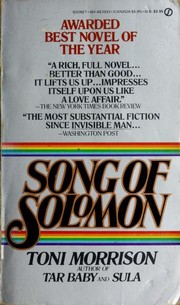 Song of SolomonToni MorrisonA mythic, soaring journey through ancestry and identity that blends the gritty reality of the American Rust Belt with the transcendent magic of folklore.
 ParadiseToni MorrisonA haunting, lyrical descent into the fractures of a utopian community and the fierce, flawed women who become its scapegoats.
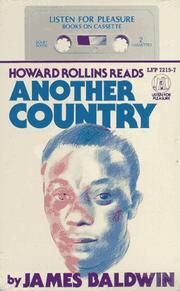 Another CountryJames BaldwinA smoky, devastating symphony of a novel that strips bare the illusions of love, race, and bohemian life in 1960s New York.
 Another BrooklynJacqueline WoodsonA haunting, poetic plunge into the intoxicating magic of girlhood friendships and the heavy shadows that eventually fracture them.
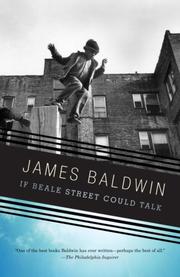 If Beale Street Could TalkJames BaldwinA soulful, blues-inflected testament to the enduring power of love and family against the crushing machinery of systemic injustice.
 TrumpetJackie KayA soulful, polyphonic exploration of grief, identity, and the complex truths that bind a family together.