Books › Jerusalem

Jerusalem
1500 pages
A sprawling, hallucinatory descent into the gutters and cosmic attics of a single English town where all of time is happening at once.
What it feels like
Reading this massive encyclopedic tome is less like consuming a novel and more like moving into a haunted densely layered neighborhood. The pace is unapologetically meandering, demanding total surrender as you wander through a labyrinth of working-class squalor elevated to the level of cosmic mythology. The mood is hallucinatory and deeply atmospheric, wrapping you in a world where angels loiter in urine-scented stairwells and all of history happens simultaneously. Its prose is a staggering feat of maximalism, shifting from gritty realism to dense Joycean linguistic experiments that require immense patience. It is a profound, exhausting, and awe-inspiring experience designed for readers who want to be swallowed whole by a visionary masterpiece of psychogeography and eternalism.
- Mood
- hallucinatory
- labyrinthine
- squalid-yet-sacred
- awe-inspiring
- Tone
- visionary
- erudite
- gritty
- philosophical
- eccentric
- Pace
- meandering
- Themes
- the illusion of time · working-class mythology · psychogeography · memory and decay · the sacred in the mundane
- The writing
- Dense, unapologetically maximalist, and highly experimental, the writing shifts from lyrical realism to Joycean wordplay and structural acrobatics.
- The arc
- The journey begins in gritty localized disorientation and slowly expands into a sprawling mind-bending awe at the eternal interconnectedness of all things.
- Who it's for
- Readers who crave massive, challenging, encyclopedic novels that demand total surrender to their labyrinthine architecture and visionary scope.
Content notes
- poverty and squalor
- child death
- substance abuse
- mental illness
- violence
About the book
Alan Moore says of his work:
In the half a square mile of decay and demolition that was England’s Saxon capital, eternity is loitering between the firetrap tower blocks. Embedded in the grubby amber of the district’s narrative among its saints, kings, prostitutes and derelicts a different kind of human time is happening, a soiled simultaneity that does not differentiate between the petrol-coloured puddles and the fractured dreams of those who navigate them. Fiends last mentioned in the Book of Tobit wait in urine-scented stairwells, the delinquent spectres of unlucky children undermine a century with tunnels, and in upstairs parlours labourers with golden blood reduce fate to a snooker tournament.
Disappeared lanes yield their own voices, built from lost words and forgotten dialect, to speak their broken legends and recount their startling genealogies, family histories of shame and madness and the marvellous. There is a conversation in the thunderstruck dome of St. Paul’s cathedral, childbirth on the cobblestones of Lambeth Walk, an estranged couple sitting all night on the cold steps of a Gothic church-front, and an infant choking on a cough drop for eleven chapters. An art exhibition is in preparation, and above the world a naked old man and a beautiful dead baby race along the Attics of the Breath towards the heat death of the universe.
An opulent mythology for those without a pot to piss in, through the labyrinthine streets and pages of Jerusalem tread ghosts that sing of wealth and poverty; of Africa, and hymns, and our threadbare millennium. They discuss English as a visionary language from John Bunyan to James Joyce, hold forth on the illusion of mortality post-Einstein, and insist upon the meanest slum as Blake’s eternal holy city. Fierce in its imagining and stupefying in its scope, this is the tale of everything, told from a vanished gutter.
Description from Open Library.
Books like Jerusalem
See why they match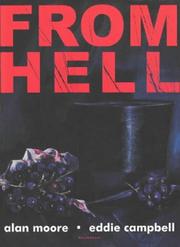 From hellAlan Moore and Eddie CampbellA suffocating, meticulously researched descent into Victorian grime that maps the architectural blueprint of modern madness.
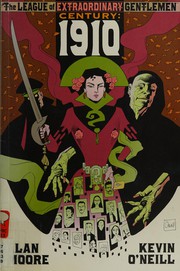 League of Extraordinary GentlemenAlan MooreA dark, fog-drenched descent into the grimy underbelly of Victorian literature, where classic heroes are reimagined as monstrous antiheroes.
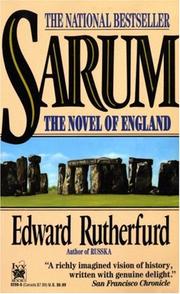 SarumEdward RutherfurdA sweeping, monumental journey through millennia that anchors the vast tides of history to a single, enduring patch of earth.
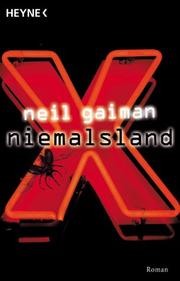 NeverwhereNeil GaimanA darkly whimsical plunge into a grimy, magical metropolis hidden just beneath the cracks of the ordinary world.
 O JerusalemLaurie R. KingA sun-baked, erudite journey where intellect and disguise are the only weapons against the shifting sands of a historically rich, dangerous landscape.
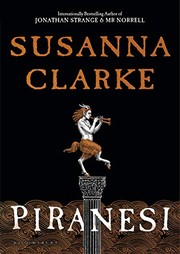 PiranesiSusanna ClarkeA hypnotic, puzzle-box journal of a beautiful, flooded labyrinth that slowly reveals a heartbreaking mystery.