Books › Jihad vs. McWorld

Jihad vs. McWorld
First published 1995 · 432 pages
An elegant, urgent dissection of the paradoxical forces of global consumerism and tribal fragmentation threatening modern democracy.
What it feels like
Reading this book feels like stepping back to view the chaotic machinery of the post-Cold War world through a sharp, clarifying lens. The pace is steady and deliberate, guiding the reader through an elegant but deeply urgent analysis of two opposing yet intertwined global forces. The mood is intellectually stimulating but undeniably cautionary, steeped in apprehension about the erosion of democratic institutions. The prose is penetrating and persuasive, breaking down complex geopolitical dialectics into illuminating insights without losing its moral courage. It is a serious, visionary experience designed for readers who want to grapple with the profound tensions between uniform global capitalism and fragmenting tribalism, leaving them with a profound understanding of the crises threatening our collective future.
- Mood
- apprehensive
- intellectually stimulating
- serious
- cautionary
- Tone
- analytical
- urgent
- persuasive
- illuminating
- bold
- Pace
- steady
- Themes
- the tension between globalism and tribalism · the erosion of democracy · consumerist capitalism · religious and ethnic fundamentalism · post-Cold War geopolitical chaos
- The writing
- Elegant and penetrating, offering a sharp, clear lens through which to view complex geopolitical dialectics.
- The arc
- Moves from a clear-eyed observation of global paradoxes to an urgent, cautionary reflection on the future of democracy.
- Who it's for
- Readers seeking a rigorous, visionary analysis of the conflicting global forces shaping modern society and threatening democratic institutions.
Content notes
- discussions of ethnic and religious hatred
- political instability
- societal fragmentation
About the book
Jihad vs. McWorld is a groundbreaking work, an elegant and illuminating analysis of the central conflict of our times: consumerist capitalism versus religious and tribal fundamentalism. These diametrically opposed but strangely intertwined forces are tearing apart--and bringing together--the world as we know it, undermining democracy and the nation-state on which it depends. On the one hand, consumer capitalism on the global level is rapidly dissolving the social and economic barriers between nations, transforming the world's diverse populations into a blandly uniform market. On the other hand, ethnic, religious, and racial hatreds are fragmenting the political landscape into smaller and smaller tribal units. Jihad vs. McWorld is the term that distinguished writer and political scientist Benjamin R. Barber has coined to describe the powerful and paradoxical interdependence of these forces. In this important new book, he explores the alarming repercussions of this potent dialectic for democracy.A work of persuasive originality and penetrating insight, Jihad vs. McWorld holds up a sharp, clear lens to the dangerous chaos of the post-Cold War world. Critics and political leaders have already heralded Benjamin R. Barber's work for its bold vision and moral courage. Jihad vs. McWorld is an essential text for anyone who wants to understand our troubled present and the crisis threatening our future.From the Trade Paperback edition.
Description from Open Library.
Books like Jihad vs. McWorld
See why they match The World Is Flat -A Brief History OF THE TWENTY-FIRST CENTURYThomas L. FriedmanA sweeping, anecdote-driven tour of a rapidly shrinking globe that leaves you feeling both awestruck and urgently compelled to keep pace.
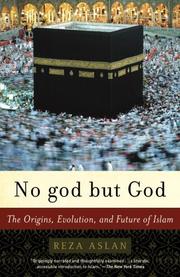 No god but GodReza AslanA sweeping, narrative-driven journey through the history of a misunderstood faith that feels both deeply scholarly and profoundly human.
 Fast Food NationEric SchlosserA gripping, stomach-churning journey behind the counter of America's most ubiquitous industry.
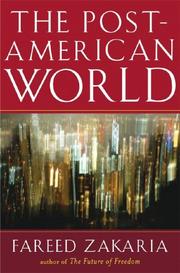 The post-American worldFareed ZakariaA clear-eyed, panoramic view of a rapidly changing globe that replaces anxiety with pragmatic optimism.
 TechnopolyNeil PostmanA sharp, prophetic warning about the ways our tools have quietly become our masters, delivered with wit and humanist warmth.
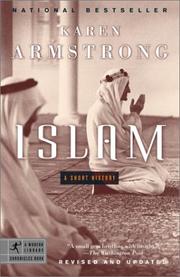 IslamKaren ArmstrongA sweeping, empathetic journey through fourteen centuries of faith, politics, and culture that dismantles modern prejudices.