Books › Job, a comedy of justice
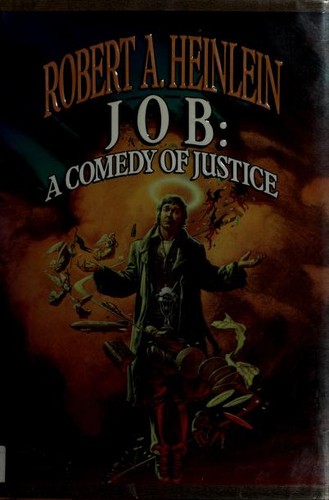
Job, a comedy of justice
471 pages
A satirical, universe-hopping romp that gleefully dismantles religious dogma while celebrating human resilience and devotion.
What it feels like
Reading this novel feels like sitting in on a spirited, slightly cynical theological debate wrapped in a surreal, universe-hopping adventure. The narrative moves at a brisk, unpredictable clip as reality constantly shifts beneath the protagonist's feet, creating a mood that is both cosmically chaotic and deeply absurd. The prose is conversational and sharply opinionated, leaning heavily on witty dialogue and philosophical musings rather than dense world-building. Beneath the irreverent poking at fundamentalist dogma and the bureaucratic absurdity of the afterlife, there is a surprisingly tender core focused on enduring love and human loyalty. It is a perfect fit for readers who delight in classic, satirical science fiction that uses bizarre cosmic trials to ask pointed questions about morality, faith, and the arbitrary nature of divine authority.
- Mood
- absurd
- surreal
- bemused
- cosmically chaotic
- Tone
- satirical
- irreverent
- philosophical
- wry
- opinionated
- Pace
- brisk
- Themes
- absurdity of religious dogma · cosmic bureaucracy · devotion and enduring love · questioning divine authority · nature of good and evil
- The writing
- Conversational, dialogue-heavy, and sharply opinionated, blending mid-century Americana sensibilities with theological debate.
- The arc
- Moves from rigid, bewildered piety through a chaotic series of cosmic indignities, ultimately arriving at a defiant, love-driven rejection of arbitrary divine authority.
- Who it's for
- Readers who enjoy philosophical thought experiments wrapped in irreverent, universe-hopping satire and do not mind a healthy dose of theological poking.
Content notes
- religious satire
- sexual content
- theological blasphemy
About the book
SciFi - Alexander Hergensheimer, KS minister, faints after firewalking in Polynesia. When he returns to his ship, it appears very different and he is referred to as Alec Graham. With stewardess Margrethe he goes through a series of changes through alternate Universes at the whim of some higher power. Is it just paranoia or is God (Satan, Loki) out to get him?
Description from Open Library.
Books like Job, a comedy of justice
See why they match Revolt in 2100HeinleinA tense, idea-driven blueprint for rebellion against a suffocating American theocracy.
 Assignment in EternityRobert Anson HeinleinA retro-futuristic thrill ride through secret societies, alternate dimensions, and the untapped powers of the human mind.
 Starman JonesRobert A. HeinleinA classic, starry-eyed adventure where grit, a photographic memory, and a whole lot of math are the keys to the universe.
 Methuselah's childrenRobert A. HeinleinA sweeping, pragmatic space opera about the price of outliving your neighbors and the endless frontier of the cosmos.
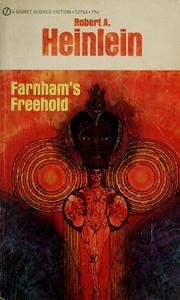 Farnham's FreeholdRobert Anson HeinleinA provocative, survivalist thought experiment that flips the social order to explore the darkest edges of human subjugation and self-reliance.
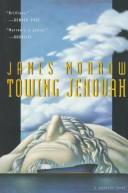 Towing JehovahJames MorrowA bizarre and biting maritime satire where the ultimate theological crisis becomes a chaotic scramble for human exploitation.