Books › Kenilworth

Kenilworth
First published 1883 · 49816 pages
A glittering, doomed pageant of Elizabethan ambition, where secret marriages and Machiavellian schemes collide in the shadows of a royal court.
What it feels like
Reading this novel feels like stepping into a grand, tragic Elizabethan play, complete with sweeping velvet cloaks, whispered treachery, and doomed romance. The narrative unfolds at a steady, deliberate pace, allowing the reader to fully inhabit the opulent but dangerous world of Tudor England. The prose is richly archaic and theatrical, painting a vivid pageant of courtly life where ambition constantly wars with conscience. You are immersed in an atmosphere of glittering ostentation that barely conceals the Machiavellian violence lurking beneath. It is a deeply atmospheric experience that moves from the heady thrill of secret love to a tightening, dread-soaked climax. This is a perfect match for readers who savor old-fashioned historical epics, relishing grand melodrama, complex court intrigue, and the tragic cost of royal favor.
- Mood
- opulent
- treacherous
- pageant-like
- shadowy
- doomed
- Tone
- theatrical
- melodramatic
- earnest
- grand
- tragic
- Pace
- steady
- Themes
- the cost of ambition · secret love and betrayal · courtly intrigue · the transience of power · machiavellian manipulation
- The writing
- Richly archaic and deeply descriptive, favoring grand theatrical dialogue and sweeping, detailed portraits of Elizabethan pageantry.
- The arc
- Moves from the glittering promise of secret romance and courtly ambition into a tightening web of betrayal, culminating in inevitable tragedy.
- Who it's for
- Readers who love immersive, old-fashioned historical epics filled with court intrigue, doomed romance, and Machiavellian villains.
Content notes
- murder
- betrayal
- emotional manipulation
- tragic death
About the book
The tragic story of the secret marriage of Amy Robsart to Robert Dudley, Earl of Leicester, favourite and potential consort of the Queen, is imbued with the drama of Tudor England, its exuberance of spirit, vigor of language, violence and treachery, ostentation and gaiety, shifts and stratagems, and above all, its pervading sense of transience. Steeped in and engrossed by historic England, Scott relished the opportunity to create a pageant of Elizabethan life. From the swashbuckling Lambourne to the Machiavellian Varney, from the vacillating Leicester to Amy and the Queen herself, Scott grasps something of the passions of Marlowe, the histrionics of Kyd and the cynicism of Marston. Kenilworth comes as close to the theatrical and the melodramatic as Rob Roy or The Bride of Lammermoor, and Scott's sheer zest in writing is there for any reader to enjoy.
Description from Open Library.
Books like Kenilworth
See why they match The Virgin's LoverPhilippa GregoryA heady, treacherous plunge into the intoxicating and deadly intersection of royal duty and forbidden passion.
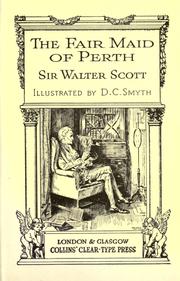 The fair maid of PerthSir Walter ScottA stately, atmospheric journey through the historical legacy and social strata of Scotland.
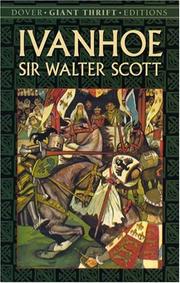 IvanhoeSir Walter ScottA sweeping, tapestry-like immersion into a romanticized medieval world of jousts, outlaws, and clashing loyalties.
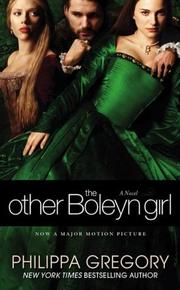 The Other Boleyn GirlPhilippa GregoryA glittering, treacherous plunge into a royal court where sisterhood is weaponized and love is a deadly political game.
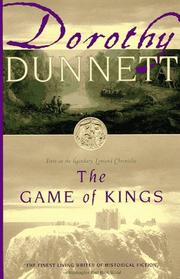 The Game of KingsDorothy DunnettA labyrinthine plunge into sixteenth-century political intrigue led by a brilliant, maddeningly opaque anti-hero whose true motives are buried under layers of multilingual wit.
 Elizabeth and EssexGiles Lytton StracheyA psychologically piercing, elegantly theatrical portrait of a doomed royal romance where passion collides fatally with absolute power.