Books › Kids These Days

Kids These Days
Human Capital and the Making of Millennials
272 pages
A sharp, validating, and deeply infuriating structural diagnosis of generational burnout.
What it feels like
Reading this book feels like finally getting a diagnosis for a chronic illness you were told was all in your head. It is a brisk, intellectually charged polemic that strips away the lazy stereotypes of avocado toast and participation trophies to reveal the grim machinery of late capitalism. The mood is undeniably bleak but profoundly validating, wrapping the reader in a shared sense of righteous frustration. Harris writes with a sharp, merciless clarity, seamlessly weaving Marxist critique with pop culture and hard data. It is an urgent, radicalizing read designed for anyone who has ever felt crushed by the relentless pressure to optimize their own life, offering a devastating but necessary lens on what it actually means to grow up as human capital.
- Mood
- frustrated
- bleak
- validating
- intellectually charged
- Tone
- righteous
- analytical
- cynical
- urgent
- incisive
- Pace
- brisk
- Themes
- generational burnout · commodification of childhood · systemic exploitation · late capitalism · illusion of meritocracy
- The writing
- Sharp, data-driven, and highly accessible, blending critical theory with pop culture fluency.
- The arc
- Moves from a sense of validating frustration to a stark, radicalizing clarity about systemic exploitation.
- Who it's for
- Millennials feeling the crush of burnout and economic precarity, or anyone seeking a structural explanation for generational anxiety.
Content notes
- discussions of anxiety and depression
- systemic poverty
- mass incarceration
About the book
"A Millennial's groundbreaking investigation into why his generation is economically worse off than their parents, creating a radical and devastating portrait of what it means to be young in America. Millennials have been called lazy, entitled, narcissistic, and immature, but when you push aside the stereotypes, what actually unites this generation? The short answer: They've been had. Millennials are the hardest working and most educated generation in American history. They have poured unprecedented amounts of time and money into preparing themselves for the twenty-first-century workforce. Yet they are poorer, more medicated, more precariously employed, and have less of a social safety net than their parents or grandparents. Kids These Days asks why, and answers with a radical, brilliant, data-driven analysis of the economic and cultural forces that have shaped Millennial lives. Examining broad trends like runaway student debt, the rise of the intern, mass incarceration, social media, and more, Harris shows us a generation conditioned from birth to treat their lives and their efforts-their very selves and futures-as human capital to be invested. But what happens when children raised as investments grow up? Why are young people paying such a high price to train themselves for a system that exploits them? How can Millennials change or transcend what's been made of them? Gripping, mercilessly argued, deeply informed, and moving fluidly between critical theory, political policy, and pop culture, Kids These Days will wake you up, make you angry, and change how you see your place in the world. This is essential reading-not only for Millennials, but for anyone ready to take a hard look at how we got here and where we're headed if we don't change course fast"--
"Millennials have been stereotyped as lazy, entitled, narcissistic, and developmentally delayed. In fact, they are the hardest working and most educated generation in American history, a generation that poured unprecedented amounts of time and money into preparing themselves for the 21st century market. Yet here they are: poorer, more medicated, more precariously employed, and with less of a social safety net than their parents or even their grandparents. To find out why, Malcolm Harris, himself a Millennial, decided to conduct a meticulous, data driven analysis of the cultural, technological, and (especially) economic forces over the past 40 years that have shaped Millennial lives. What he discovered, and the sense he made of it, will change how you see yourself, your country, and our future - whether you're a Millennial or not. Examining broad trends like the professionalization of childhood, runaway student debt, the rise of the intern, mass incarceration, social media, and more, Kids These Days charts the rise of an American ethos so normalized that we forget to notice it: the treatment of children as investments, and he dares us to confront the consequences when those children grow up. Gripping, mercilessly argued, and deeply informed, Kids These Days is essential reading, not only for Millennials but for anyone ready to take a hard look at how we got here and where we're headed if we don't change course fast"--
Description from Open Library.
Books like Kids These Days
See why they match The Price of InequalityJoseph E. StiglitzA rigorous, eye-opening autopsy of a rigged economic system that leaves you both frustrated and armed with understanding.
 The Tyranny of MeritMichael J. SandelA sobering but necessary dismantling of the idea that success is purely self-made, urging a return to the common good.
 Excellent SheepWilliam DeresiewiczA sharp, impassioned wake-up call that challenges the relentless pursuit of prestige in favor of genuine self-discovery.
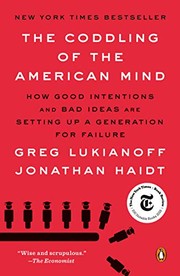 The Coddling of the American MindGreg Lukianoff and Jonathan HaidtAn urgent, analytical deep-dive into the cultural shifts reshaping childhood, campus life, and American discourse.
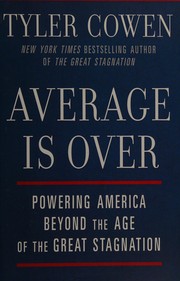 Average is OverTyler CowenA sobering but pragmatic look at the widening economic divide and how technology is permanently rewriting the rules of work.
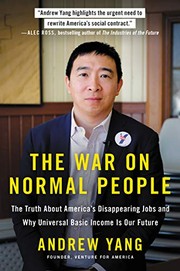 The war on normal peopleAndrew YangAn urgent, eye-opening exploration of technological disruption that pivots from economic alarm to a rallying cry for systemic change.