Books › Kim
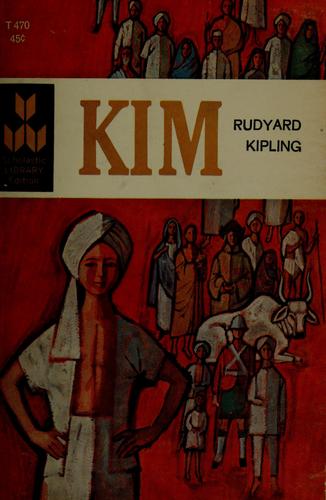
Kim
First published 1901 · 519 pages
A sprawling, sun-baked journey along the Grand Trunk Road that balances espionage with spiritual seeking.
What it feels like
Reading this classic feels like stepping into a bustling, sun-baked bazaar filled with the dust and clamor of colonial India. The narrative meanders beautifully along the Grand Trunk Road, blending the thrilling espionage of the Great Game with a quiet, philosophical quest for spiritual enlightenment. The prose is dense and richly textured, capturing the sensory overload of the landscape while navigating the complex, often problematic, realities of empire. It is a deeply atmospheric picaresque that takes its time, inviting you to wander alongside its street-smart protagonist and his gentle lama companion. This is a book for readers who savor immersive, historical travelogues and coming-of-age adventures where the journey itself is far more important than the destination.
- Mood
- dusty
- vibrant
- sun-baked
- spiritual
- bustling
- Tone
- affectionate
- observant
- imperialist
- philosophical
- adventurous
- Pace
- meandering
- Themes
- search for identity · clash of cultures · spiritual enlightenment vs worldly duty · the Great Game · found family
- The writing
- Richly textured, sensory, and archaic, weaving English with Indian vernacular to create a dense tapestry of colonial life.
- The arc
- Moves from carefree, street-smart wandering to a deeper, more conflicted understanding of duty, identity, and spiritual peace.
- Who it's for
- Readers who love sprawling, atmospheric travelogues, classic adventure stories, and complex historical narratives of empire.
Content notes
- colonialism
- racism
- imperialist attitudes
- orphanhood
About the book
Kim is Rudyard Kipling's story of an orphan born in colonial India and torn between love for his native India and the demands of Imperial loyalty to his Irish-English heritage and to the British Secret Service. Long recognized as Kipling's finest work, Kim was a key factor in his winning the Nobel Prize for Literature in 1907.
Description from Open Library.
Books like Kim
See why they match The man who would be kingRudyard KiplingA dusty, feverish tale of two rogues whose grand imperial ambitions unravel into chilling tragedy.
 The Complete Jungle BookRudyard KiplingA mythic, atmospheric journey into the heart of the wild, where the ancient laws of nature dictate survival, loyalty, and belonging.
 A Suitable BoyVikram SethA sprawling, deeply affectionate immersion into the bustling heart of a newly independent nation and the quiet pragmatism of the human heart.
 The Far PavilionsM. M. KayeA sweeping, immersive historical epic that sweeps you into a world of forbidden romance, divided loyalties, and breathtaking landscapes.
 The inheritance of lossKiran DesaiA lush, melancholic exploration of fractured identities caught between the ghosts of empire and the harsh realities of the modern world.
 Of Human BondageWilliam Somerset MaughamA sweeping, deeply intimate portrait of a young man's agonizing crawl through obsession and disillusionment toward a quiet, hard-won peace.