Books › Kritik der reinen Vernunft

Kritik der reinen Vernunft
1030 pages
A rigorous, foundational awakening from dogmatic slumber into the deep mechanics of human knowledge.
What it feels like
Reading this foundational text of Western philosophy feels like embarking on a massive, cerebral architectural project. The pace is steady and demanding, requiring the reader to slow down and grapple with the very limits of human reason. It carries a weighty, contemplative mood, steeped in the rigorous atmosphere of eighteenth-century intellectual inquiry. The prose is highly systematic, meticulously bridging the gap between Newtonian physics, rationalism, and empiricism. It traces an arc of intellectual awakening, mirroring the author's own emergence from dogmatic slumbers provoked by skepticism. This is not a light read, but a dense, analytical journey designed for the deeply curious reader who delights in wrestling with the fundamental theories of knowledge and causation.
- Mood
- cerebral
- contemplative
- weighty
- Tone
- analytical
- rigorous
- serious
- systematic
- Pace
- steady
- Themes
- the limits of reason · the nature of knowledge · causation and reality · intellectual awakening
- The writing
- Dense, systematic, and highly analytical, demanding careful and deliberate engagement.
- The arc
- A rigorous intellectual journey from dogmatic slumber into a systematic, awakened understanding of reality.
- Who it's for
- Deeply curious thinkers who delight in wrestling with foundational philosophy and complex theories of knowledge.
About the book
One of the central texts of western philosophy and an effort to connect Newtonian physics with the best of Continental rationalism and empiricism. Its writing was inspired by the skeptic David Hume waking Kant from his "dogmatic slumbers."
Description from Open Library.
Books like Kritik der reinen Vernunft
See why they match Kritik der UrteilskraftImmanuel KantA monumental, demanding architecture of thought that bridges the gap between human reason and the awe-inspiring beauty of the natural world.
 Groundwork of the metaphysics of moralsImmanuel KantAn intellectually demanding, awe-inspiring ascent into the absolute foundations of duty and human dignity.
 Die Welt als Wille und VorstellungArthur SchopenhauerA beautifully written, uncompromising plunge into the illusion of reality and the inescapable suffering of existence.
 Meditationes de prima philosophiaRené DescartesA quiet, solitary descent into radical doubt that attempts to rebuild the entire universe from a single point of absolute certainty.
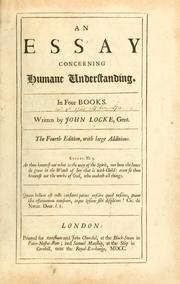 Essay concerning human understandingJohn LockeA rigorous, methodical excavation of the human mind that asks how we come to know anything at all.
 A History of Western PhilosophyBertrand RussellA sweeping, witty, and highly opinionated journey through the minds that shaped Western civilization.