Books › La calle es libre

La calle es libre
First published 1999 · 50 pages
An empowering, grounded glimpse into a community's collective push to carve out a space for joy.
What it feels like
Reading this book feels like witnessing a neighborhood come alive with shared purpose. It offers a grounded, earnest atmosphere, rooted in the real-world textures of city life in Venezuela. The narrative moves at a steady, determined pace, mirroring the resilience and self-reliance of young people advocating for their own joy. There is a deeply empowering emotional current here, focusing not on despair, but on the uplifting mechanics of community development and collective action. The prose is accessible and direct, perfectly pitched for middle-grade readers or Spanish language learners who appreciate stories of civic engagement. It will delight young readers, educators, and anyone drawn to spirited, true-to-life tales of children claiming their right to space and play.
- Mood
- grounded
- spirited
- uplifting
- community-focused
- Tone
- earnest
- hopeful
- determined
- empowering
- Pace
- steady
- Themes
- collective action · community empowerment · childhood resilience · the right to play · civic engagement
- The writing
- Accessible and direct, tailored for young readers while honoring the weight of a real-world struggle.
- The arc
- Moves from a shared yearning for space to a determined, collective push for community improvement.
- Who it's for
- Young readers and educators looking for inspiring, real-life stories of civic engagement and community resilience.
Content notes
- urban inequity
About the book
This book is the true story of the children who live in the barrio SanJose in Venezuela and who want a playground.
Description from Open Library.
Books like La calle es libre
See why they match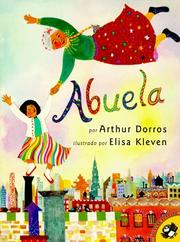 AbuelaArthur DorrosA joyful, bilingual flight of fancy that celebrates the boundless love between a child and her grandmother.
 Before we were freeJulia AlvarezA tender, tense coming-of-age story where the warmth of childhood collides with the terrifying shadows of a dictatorship.
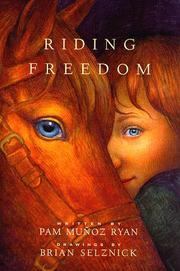 Riding FreedomPam Muñoz RyanA spirited, dust-kicking historical adventure about breaking the rules to live on your own terms.
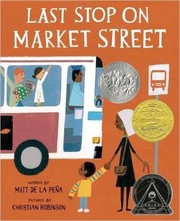 Last Stop on Market StreetMatt de la PeñaA vibrant, soulful journey through the city that teaches us to find magic and beauty in the everyday.
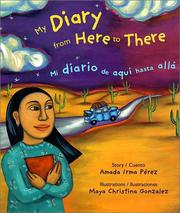 My diary from here to thereAmada Irma PérezAn intimate, bilingual diary capturing a young girl's heartfelt journey through the uncertainties of leaving home.
 Journey of the SparrowsFran Leeper BussA tense but deeply empathetic journey of survival, capturing the terrifying vulnerability of displacement and the quiet grace of unexpected sanctuary.