Books › La mathématique des jeux, ou Récréations mathématiques

La mathématique des jeux, ou Récréations mathématiques
First published 1943 · 566 pages
A cerebral playground of classic puzzles and logical paradoxes that invites you to stretch your mind.
What it feels like
Reading this book feels like stepping into a mid-century university study filled with chalk dust and quiet brilliance. It is a deeply cerebral and stimulating experience, demanding a leisurely pace as you pause to untangle its logical knots and mathematical riddles. The tone is instructive yet undeniably playful, treating complex numerical concepts not as chores, but as delightful games waiting to be won. The prose is methodical and clear, guiding the reader from initial bewilderment to the immensely satisfying aha moment of comprehension. It is a perfect companion for analytical thinkers, puzzle enthusiasts, and anyone who finds a sense of cozy, focused joy in exercising their intellect on a rainy afternoon.
- Mood
- cerebral
- stimulating
- focused
- quietly triumphant
- Tone
- instructive
- playful
- academic
- curious
- Pace
- leisurely
- Themes
- the joy of problem-solving · mathematical elegance · intellectual curiosity · the hidden structure of games
- The writing
- Methodical, clear, and pedagogic, presenting complex ideas with a dry but unmistakable enthusiasm.
- The arc
- Moves from the initial friction of a challenging puzzle to the deeply satisfying click of logical resolution.
- Who it's for
- Analytical thinkers and puzzle lovers who delight in spending a quiet afternoon untangling classic logical knots.
About the book
Based on a course of lectures given at New school for social research, New York, October 1941, and may be regarded as a revised edition of the author's La mathématique des jeux, published in Brussels, 1930. cf. Pref.
Description from Open Library.
Books like La mathématique des jeux, ou Récréations mathématiques
See why they match Mathematics and the ImaginationEdward Kasner and James Roy NewmanA playful journey to the edges of human logic, where numbers become puzzles and infinity feels within reach.
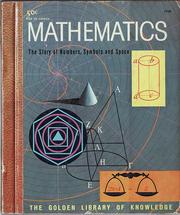 MathematicsIrving AdlerA warmly nostalgic and deeply clear exploration of the hidden patterns that govern our universe.
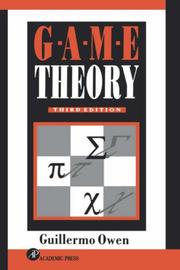 Game theoryGuillermo OwenA rigorous, cerebral exploration of the mathematical frameworks behind strategic interaction.
- The nature of mathematicsKarl SmithA patient, illuminating journey that transforms abstract numbers into a tangible language of logic and beauty.
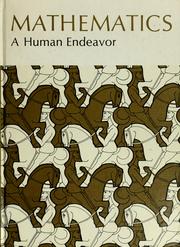 Mathematics, a human endeavourHarold R. JacobsA substantial, accessible journey into the world of mathematics, framed as a deeply human pursuit.
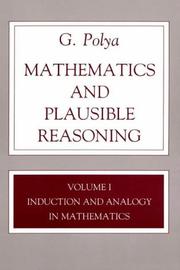 Mathematics and plausible reasoningGyorgy PolyaA masterclass in the art of intellectual discovery, revealing the intuitive leaps and educated guesses that precede rigorous proof.