Books › Le capital au XXIe siècle
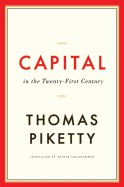
Le capital au XXIe siècle
970 pages
A monumental, data-driven reckoning with the historical forces that concentrate wealth and power.
What it feels like
Reading this book feels like standing at the base of a massive, meticulously constructed dam and realizing it is slowly cracking. It is a deeply intellectual, sobering experience that demands patience, rewarding the steady reader with a profound paradigm shift. The prose is surprisingly lucid and peppered with literary references to Austen and Balzac, transforming dry economic data into a sweeping, urgent narrative about human history and the illusion of meritocracy. The mood is weighty and contemplative, building a methodical case that feels both inevitable and deeply unsettling. It will delight armchair historians, policy wonks, and anyone seeking a rigorous, structural understanding of modern inequality, offering not just a critique of the present, but a sweeping lens through which to view the future.
- Mood
- sobering
- intellectual
- weighty
- contemplative
- Tone
- analytical
- authoritative
- measured
- urgent
- rigorous
- Pace
- steady
- Themes
- systemic inequality · the weight of history · concentration of power · illusion of meritocracy · political agency
- The writing
- Lucid, methodical, and surprisingly accessible, blending dense statistical analysis with illuminating literary references.
- The arc
- Moves from a daunting immersion in historical data to a sobering realization of systemic flaws, culminating in an urgent call for political agency.
- Who it's for
- Patient, intellectually curious readers who want to understand the deep structural forces shaping modern wealth and society.
Content notes
- systemic poverty
- class inequality
About the book
What are the grand dynamics that drive the accumulation and distribution of capital? Questions about the long-term evolution of inequality, the concentration of wealth, and the prospects for economic growth lie at the heart of political economy. But satisfactory answers have been hard to find for lack of adequate data and clear guiding theories. In Capital in the Twenty-First Century, Thomas Piketty analyzes a unique collection of data from twenty countries, ranging as far back as the eighteenth century, to uncover key economic and social patterns. His findings will transform debate and set the agenda for the next generation of thought about wealth and inequality.
Piketty shows that modern economic growth and the diffusion of knowledge have allowed us to avoid inequalities on the apocalyptic scale predicted by Karl Marx. But we have not modified the deep structures of capital and inequality as much as we thought in the optimistic decades following World War II. The main driver of inequality--the tendency of returns on capital to exceed the rate of economic growth--today threatens to generate extreme inequalities that stir discontent and undermine democratic values. But economic trends are not acts of God. Political action has curbed dangerous inequalities in the past, Piketty says, and may do so again.
A work of extraordinary ambition, originality, and rigor, Capital in the Twenty-First Century reorients our understanding of economic history and confronts us with sobering lessons for today.
(Original text from the spine of the book)
Description from Open Library.
Books like Le capital au XXIe siècle
See why they match The Price of InequalityJoseph E. StiglitzA rigorous, eye-opening autopsy of a rigged economic system that leaves you both frustrated and armed with understanding.
 Das KapitalKarl MarxA dense, monumental dissection of the capitalist machine that rewards patient readers with flashes of biting sarcasm and revolutionary fury.
 Saving capitalismRobert B. ReichA clarifying, accessible dismantling of modern economic myths that leaves you feeling both righteously indignant and equipped to demand change.
 The Spirit LevelRichard G. WilkinsonA methodical, data-driven revelation that permanently shifts how you view the structural foundations of modern society.
 Inquiry into the nature and causes of the wealth of nationsAdam SmithA sweeping, methodical exploration of human enterprise that lays bare the hidden gears of society.
 Average is OverTyler CowenA sobering but pragmatic look at the widening economic divide and how technology is permanently rewriting the rules of work.