Books › Learning how to learn
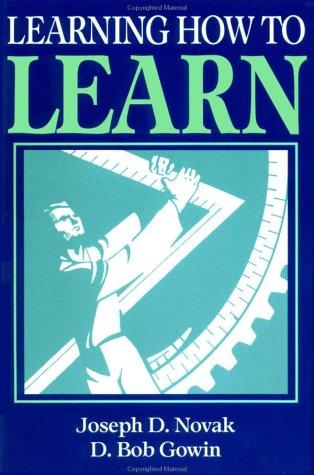
Learning how to learn
First published 1984 · 228 pages
A methodical, foundational exploration of how to map the architecture of human thought and unlock meaningful learning.
What it feels like
Reading this foundational text feels like being handed the blueprints to the human mind. It is a steady, deeply intellectual experience that asks for your full concentration, rewarding that effort with a profound shift in how you perceive knowledge. The mood is highly structured and focused, rooted in an earnest desire to move beyond rote memorization into the realm of meaningful, interconnected learning. The prose is unapologetically academic and methodical, guiding the reader through dense cognitive theories before landing on the practical, empowering tool of concept mapping. It is a deeply pragmatic journey that will delight educators, instructional designers, and lifelong learners who crave a rigorous, structural understanding of how we actually acquire, organize, and retain information.
- Mood
- intellectual
- structured
- focused
- Tone
- academic
- instructional
- pragmatic
- earnest
- Pace
- steady
- Themes
- metacognition · knowledge organization · meaningful learning · cognitive empowerment
- The writing
- Methodical, academic, and highly structured, prioritizing clear instruction and theoretical rigor over stylistic flourish.
- The arc
- Transitions from a dense theoretical foundation to a sense of practical, structural empowerment as the mechanics of learning are demystified.
- Who it's for
- Educators, instructional designers, and deeply curious students who want to understand the underlying architecture of how we acquire and retain knowledge.
About the book
It is about concept maps and how to create them. A very operative manual on the techniques of concept mapping and functional analysis of scientific documents proposed by two of Ausubel's main disciples.
Description from Open Library.
Books like Learning how to learn
See why they match The Mind Map BookTony BuzanAn enthusiastic, visually driven operating manual for unlocking your brain's hidden creative and organizational potential.
 How we learnBenedict CareyA reassuring, science-backed permission slip to stop cramming and start letting your brain learn the way it actually wants to.
 A guidebook to learningMortimer J. AdlerA thoughtful, structured companion for the dedicated autodidact on the path to lifelong wisdom.
 How to StudyHarry MaddoxA grounding, no-nonsense manual that transforms the chaotic anxiety of learning into a structured, manageable discipline.
 Experiential LearningDavid A. KolbA rigorous, foundational exploration of how human beings transform raw experience into lasting knowledge.
 Make It StickPeter C. Brown; Henry L. Roediger III; Mark A. McDanielA paradigm-shifting guide that dismantles everything you thought you knew about learning, replacing frustration with evidence-based empowerment.