Books › Les Robots

Les Robots
349 pages
A cerebral puzzle-box that tests the ethical boundaries between humanity and the logical machines we create.
What it feels like
Reading this collection feels like sitting in a mid-century laboratory, watching brilliant minds untangle the ethical knots of tomorrow. The experience is deeply cerebral and steady, driven not by explosive action but by the quiet thrill of logical deduction. Each story functions as a philosophical puzzle-box, testing the boundaries of artificial intelligence through the rigid framework of the Three Laws. The prose is utilitarian and dialogue-heavy, stripping away ornate descriptions to focus entirely on the clash of ideas. There is a distinct retro-futuristic atmosphere that wraps the reader in a contemplative, slightly sterile mood. It is a perfect fit for those who prefer their science fiction to be a theater of the mind, exploring the profound, sometimes unsettling implications of human obsolescence and machine benevolence.
- Mood
- cerebral
- retro-futuristic
- contemplative
- Tone
- analytical
- philosophical
- inquisitive
- detached
- Pace
- steady
- Themes
- ethics of artificial intelligence · limits of logic · human-machine symbiosis · unintended consequences
- The writing
- Utilitarian and dialogue-heavy, prioritizing clear logical deduction and philosophical debate over ornate sensory description.
- The arc
- Transitions from a baseline of human anxiety about the unknown to a quiet, awe-tinged resignation to a machine-guided future.
- Who it's for
- Readers who love idea-driven, classic science fiction and delight in unraveling ethical paradoxes and logical puzzles.
Content notes
- existential dread
- mild peril
About the book
I, Robot is a fixup novel of science fiction short stories or essays by American writer Isaac Asimov. The stories originally appeared in the American magazines Super Science Stories and Astounding Science Fiction between 1940 and 1950 and were then compiled into a book for stand-alone publication by Gnome Press in 1950, in an initial edition of 5,000 copies. The stories are woven together by a framing narrative in which the fictional Dr. Susan Calvin tells each story to a reporter (who serves as the narrator) in the 21st century. Although the stories can be read separately, they share a theme of the interaction of humans, robots, and morality, and when combined they tell a larger story of Asimov's fictional history of robotics.
Description from Open Library.
Books like Les Robots
See why they match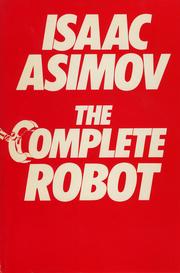 The Complete RobotIsaac AsimovA nostalgic, puzzle-box exploration of artificial minds that ultimately holds a mirror up to human nature.
 Robot VisionsIsaac AsimovA nostalgic, intellectually stimulating journey through the ethical puzzles of artificial consciousness.
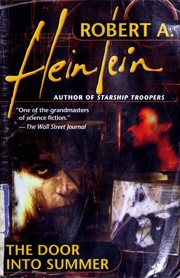 The Door into SummerRobert A. HeinleinA clever, cozy time-travel puzzle fueled by mid-century optimism, engineering competence, and the search for a warmer tomorrow.
 The Illustrated ManRay BradburyA haunting tapestry of dark futures and human frailties woven into the skin of a doomed wanderer.
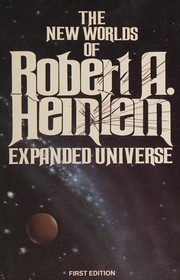 Expanded UniverseRobert Anson HeinleinA conversational, opinionated journey through the golden age of science fiction, guided by one of its most influential and outspoken architects.
 I Have No Mouth and I Must ScreamHarlan EllisonA relentless, claustrophobic plunge into the darkest extremes of technological hubris and existential torment.