Books › Lincoln in the Bardo
Booker Prize 2017
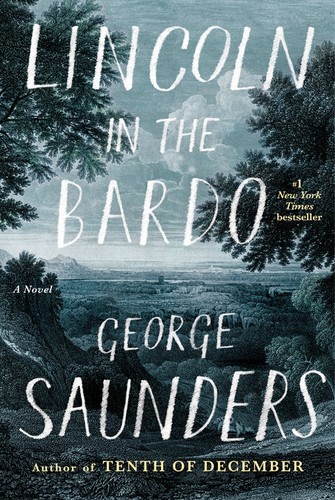
Lincoln in the Bardo
475 pages
A dizzying, darkly hilarious, and profoundly moving chorus of voices exploring the unbearable weight of grief and the beauty of letting go.
What it feels like
The reading experience is initially disorienting, like stepping into a crowded, echoing theater in the dark. You are bombarded by a cacophony of voices—some historical, some spectral, all clamoring for attention with a mix of petty grievances and profound sorrows. As your ears adjust to the polyphonic rhythm, the chaos coalesces into a deeply moving meditation on love and loss. The prose is wildly inventive, blending real historical fragments with absurd, theatrical monologues that are simultaneously hilarious and devastating. It feels like a fever dream that slowly breaks your heart before gently putting it back together. This is a book for those who crave experimental storytelling that never sacrifices emotional warmth, offering a hauntingly beautiful exploration of how we survive the unbearable.
- Mood
- ethereal
- chaotic
- sorrowful
- haunting
- Tone
- wry
- empathetic
- absurd
- melancholic
- theatrical
- Pace
- brisk
- Themes
- the weight of grief · letting go · absurdity of the human condition · parental love · liminal spaces
- The writing
- A dizzying, polyphonic collage of historical citations and eccentric, fragmented ghostly monologues.
- The arc
- Moves from a chaotic, bewildering cacophony of denial into a profound, heartbreaking acceptance of mortality and loss.
- Who it's for
- Readers who love experimental structures, dark humor, and deeply empathetic explorations of historical and personal tragedy.
Content notes
- child death
- intense grief
- suicide
- historical racism and slurs
- references to sexual violence
About the book
February 1862. The Civil War is less than one year old. The fighting has begun in earnest, and the nation has begun to realize it is in for a long, bloody struggle. Meanwhile, President Lincoln's beloved eleven-year-old son, Willie, lies upstairs in the White House, gravely ill. In a matter of days, despite predictions of a recovery, Willie dies and is laid to rest in a Georgetown cemetery. "My poor boy, he was too good for this earth," the president says at the time. "God has called him home." Newspapers report that a grief-stricken Lincoln returns, alone, to the crypt several times to hold his boy's body. From that seed of historical truth, George Saunders spins a story of familial love and loss that breaks free of its historical framework into a supernatural realm both hilarious and terrifying. Willie Lincoln finds himself in a strange purgatory where ghosts mingle, gripe, commiserate, quarrel, and enact bizarre acts of penance. Within this transitional state -- called, in the Tibetan tradition, the bardo -- a monumental struggle erupts over young Willie's soul.
Description from Open Library.
Books like Lincoln in the Bardo
See why they match CivilWarLand in Bad DeclineGeorge SaundersA hilarious, heartbreaking tour through the theme parks of a degraded American future.
 Abraham Lincoln, Vampire HunterSeth Grahame-SmithA straight-faced, blood-soaked reimagining of American history where the greatest political battles are fought with an axe in the dark.
 A stranger in OlondriaSofia SamatarA lush, dreamlike love letter to language that haunts the reader long after the final page is turned.
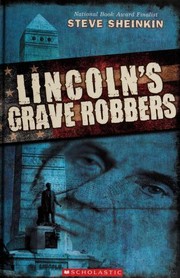 Lincoln's Grave RobbersSteve SheinkinA tense, stranger-than-fiction historical heist that reads like a thriller.
 Grief is the thing with feathersMax PorterA surreal, poetic, and darkly funny exploration of the chaotic shape that mourning takes in a shattered home.
 The ImmortalistsChloe BenjaminA sweeping, bittersweet family saga that asks whether knowing the date of your death frees you to live or dooms you to fear.