Books › Lord of the Flies

Lord of the Flies
First published 2006 · 462 pages
A sun-drenched childhood adventure that slowly rots into a claustrophobic nightmare of primal violence.
What it feels like
Reading this novel feels like watching a beautiful, sun-baked paradise slowly curdle into a claustrophobic nightmare. It begins with the intoxicating, golden-hued freedom of a childhood adventure, but a creeping sense of dread quickly takes root. The prose is lush and highly sensory, painting the island in vivid, almost hallucinatory detail that stands in stark contrast to the ugly, primal violence brewing among its inhabitants. As the veneer of civilization peels away, the atmosphere becomes feverish and deeply unsettling, pulling the reader into a vortex of mob mentality and moral decay. It is a steady, inevitable descent into darkness that will captivate readers who crave unflinching psychological allegories and stories that expose the fragile, terrifying underbelly of human nature.
- Mood
- dread-soaked
- sun-baked
- feverish
- claustrophobic
- primal
- Tone
- allegorical
- foreboding
- cynical
- philosophical
- Pace
- steady
- Themes
- fragility of civilization · inherent human darkness · loss of innocence · mob mentality · illusion of order
- The writing
- The prose is highly symbolic and sensory, contrasting lush, vivid descriptions of the natural world with stark, brutal action.
- The arc
- Begins with the exhilarating freedom of a childhood adventure and steadily rots into a nightmare of primal terror and profound grief.
- Who it's for
- Readers who appreciate dark psychological allegories and unflinching examinations of human nature stripped of societal constraints.
Content notes
- violence against children
- animal cruelty
- bullying
- murder
- psychological torment
About the book
Lord of the Flies is a 1954 novel by Nobel Prize–winning British author William Golding. The book focuses on a group of British boys stranded on an uninhabited island and their disastrous attempt to govern themselves. Themes include the tension between groupthink and individuality, between rational and emotional reactions, and between morality and immorality.
The novel has been generally well received. It was named in the Modern Library 100 Best Novels, reaching number 41 on the editor's list, and 25 on the reader's list. In 2003 it was listed at number 70 on the BBC's The Big Read poll, and in 2005 Time magazine named it as one of the 100 best English-language novels from 1923 to 2005. Time also included the novel in its list of the 100 Best Young-Adult Books of All Time. Popular reading in schools, especially in the English-speaking world, a 2016 UK poll saw Lord of the Flies ranked third in the nation's favourite books from school.
Description from Open Library.
Books like Lord of the Flies
See why they match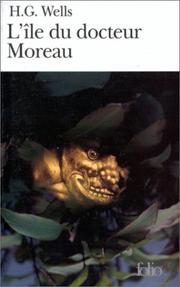 The Island of Dr. MoreauH. G. WellsA feverish descent into a tropical nightmare where the boundaries between humanity and monstrosity are surgically erased.
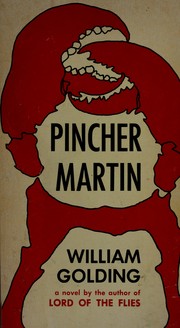 Pincher MartinWilliam GoldingA bleak and claustrophobic descent into the unraveling mind of a stranded survivor facing the inevitable.
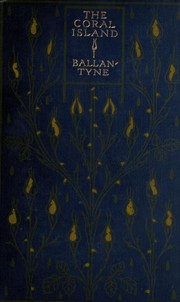 The Coral IslandR. M. BallantyneA classic tale of youthful resilience that shifts from a sun-drenched island paradise to a thrilling gauntlet of pirates and peril.
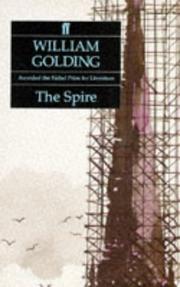 The SpireWilliam GoldingA feverish, claustrophobic descent into the mind of a man whose holy ambition becomes a destructive obsession.
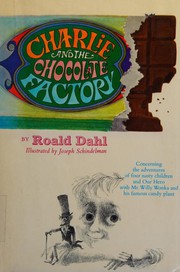 Charlie and the Chocolate FactoryRoald DahlA deliciously wicked and wildly inventive romp where pure imagination meets spectacular poetic justice.
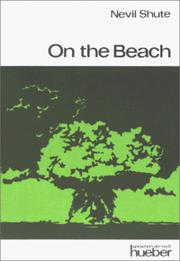 On the BeachNevil ShuteA quiet, devastating portrait of humanity maintaining its daily routines while waiting for the end of the world.