Books › Lost in the funhouse

Lost in the funhouse
fiction for print, tape, live voice.
First published 1968 · 203 pages
A dizzying, self-aware labyrinth of language that constantly pulls back the curtain on its own creation.
What it feels like
Reading this collection feels like stepping into a hall of mirrors where the reflections are arguing with the architect. It is a deeply cerebral, disorienting experience that constantly breaks the fourth wall, inviting you to watch the story being built, dismantled, and questioned in real time. The pace is intentionally meandering, full of self-interruptions, false starts, and recursive loops that demand a patient, puzzle-loving reader. The mood shifts from wryly playful to existentially dizzying as the boundaries between author, narrator, and reader dissolve. It is a masterclass in postmodern artifice, perfect for those who love fiction that examines its own exhaustion and turns the act of storytelling into a thrilling, labyrinthine game.
- Mood
- disorienting
- labyrinthine
- surreal
- intellectual
- Tone
- ironic
- self-conscious
- playful
- cerebral
- wry
- Pace
- meandering
- Themes
- the artifice of storytelling · authorial anxiety · illusion versus reality · the exhaustion of narrative · coming-of-age
- The writing
- Highly recursive, self-interrupting, and densely stylized, constantly drawing attention to its own mechanics.
- The arc
- Moves from playful curiosity to a dizzying, existential realization of being trapped within the confines of language and artifice.
- Who it's for
- Readers who delight in postmodern literary puzzles, metafiction, and stories that actively deconstruct themselves as you read.
Content notes
- existential dread
- sexual content
About the book
This collection originally published, Garden City (N.Y.), Doubleday, 1968; London, Secker and Warburg, 1969.
Description from Open Library.
Books like Lost in the funhouse
See why they match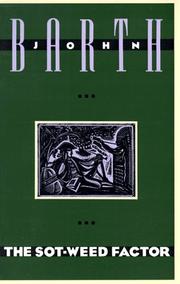 The Sot-Weed FactorJohn BarthA sprawling, bawdy mock-epic that drags a hopelessly naive poet through the mud and madness of colonial America.
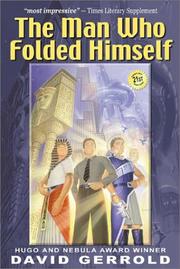 The man who folded himselfDavid GerroldA dizzying, deeply intimate plunge into the ultimate thought experiment about identity, loneliness, and what it truly means to love yourself.
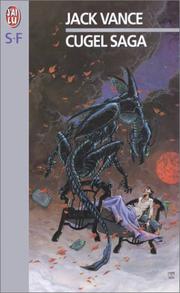 Cugel sagaJack VanceA delightfully cynical romp through a decaying world, led by fantasy's most eloquent and unrepentant scoundrel.
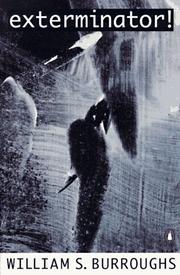 Exterminator! A novelWilliam S. BurroughsAn enigmatic piece of American science fiction that invites readers into a speculative reality.
 S is for spaceRay BradburyA classic collection of speculative short fiction that captures the imaginative wonder of mid-century American sci-fi.
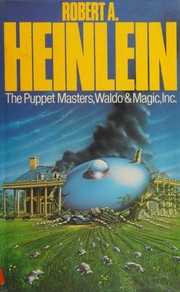 Three by HeinleinRobert A. HeinleinA snappy, retro-futuristic ride through alien paranoia, eccentric genius, and bureaucratic magic.