Books › Love, David

Love, David
128 pages
A poignant, conversational glimpse into the daily struggles and fierce sibling loyalties of a young girl in the Cape Flats.
What it feels like
Reading this book feels like sitting beside a young, earnest narrator as she recounts the quiet hardships and sudden fractures of her daily life. The pace is meandering, mirroring the slow, grinding reality of poverty in a South African squatter camp, yet it is anchored by a fierce, hopeful resilience. The atmosphere is grounded and poignant, steeped in the damp cold of the Cape Flats and the simmering tension of a household strained by alcoholism and systemic neglect. The prose is conversational and observant, focusing less on tight plotting and more on the emotional texture of sibling bonds and the desperate desire to keep a fracturing family whole. It will deeply resonate with readers who appreciate realistic, socially conscious middle-grade fiction that prioritizes authentic, lived experiences over fast-paced adventure.
- Mood
- grounded
- poignant
- tense
- resilient
- Tone
- earnest
- conversational
- hopeful
- observant
- Pace
- meandering
- Themes
- sibling bonds · grinding poverty · family conflict · loss of innocence · systemic hardship
- The writing
- Conversational and straightforward, prioritizing sociological detail and everyday observation over tight narrative structure.
- The arc
- Moves from the steady endurance of daily hardship to the acute anxiety of family fracture, settling into a resilient, if bruised, hope.
- Who it's for
- Middle-grade readers and educators looking for realistic, character-driven stories about family dynamics and life in apartheid-era South Africa.
Content notes
- poverty
- alcoholism
- family conflict
- animal endangerment
About the book
Gr 4-6-- Anna Jantjies is the bright and hopeful young narrator of this first-person family story. A member of a mixed-race or (in South African usage) ``colored'' squatter community in that bleak, sandy stretch of land outside of Cape Town known as the Cape Flats, she tells of the grinding poverty of her life: the cold, damp winters; the lack of space and privacy; the shortage of money. The girl has never attended school; instead, she cares for her baby sister while her parents work. When her adored older stepbrother, David, rescues a three-legged dog from drowning and tries to keep it, the simmering conflict between him and his alcoholic stepfather erupts. David leaves home and turns to illegal activities. Anna tries desperately to hold onto her relationships with both David and her father, and to act as a peacemaker. Her story, told in a conversational style, has some of the meandering quality of everyday life rather than the tight construction of a novel. Unfortunately her voice as narrator is not always consistent with that of a young girl, especially an unschooled one. The squatter camp setting is well integrated into the story, but the issue of language (the status of English-speakers versus Afrikaans-speakers), which Case addresses in an introduction, does not emerge clearly. The sociological interest is stronger than either plot or character development in this book originally published in South Africa.
Description from Open Library.
Books like Love, David
See why they match The stars beneath our feetDavid Barclay MooreA poignant and grounded journey of a young boy navigating the heavy currents of grief and the tense realities of his neighborhood.
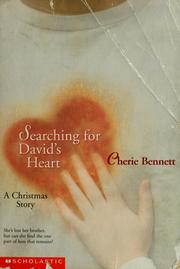 Searching for David's HeartCherie BennettA poignant, tear-jerking journey through the messy landscape of survivor's guilt and the desperate search for a tangible piece of a lost loved one.
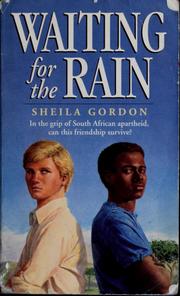 Waiting for the RainSheila GordonA heartbreaking exploration of a childhood bond slowly fractured by the inescapable weight of systemic division.
 The other side of truthBeverley NaidooA tense, deeply empathetic journey through the disorientation of exile and the fierce bond of siblings navigating a cold new world.
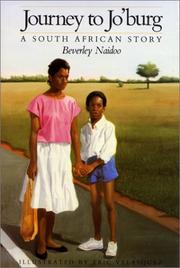 Journey to Jo'burgBeverley NaidooA poignant, eye-opening journey of sibling devotion that strips away childhood innocence to reveal the harsh realities of a divided world.
 Home of the BraveKatherine ApplegateA tender, lyrical exploration of finding warmth, laughter, and belonging in a cold, unfamiliar world.