Books › Love is never enough

Love is never enough
how couples can overcome misunderstandings, resolve conflicts, and solve relationship problems through cognitive therapy
First published 1988 · 449 pages
An insightful, practical guide that uses real dialogue to untangle the cognitive traps that sabotage relationships.
What it feels like
Reading this book feels like sitting down with a wise, articulate therapist who patiently untangles the knots of marital discord. The pace is steady and deliberate, guiding the reader through the actual dialogues of troubled couples to reveal the hidden cognitive traps that fuel everyday conflicts. The mood is deeply pragmatic yet hopeful, replacing the despair of disillusionment with actionable clarity. Its prose is both eloquent and accessible, ensuring that complex psychological concepts feel grounded and immediately applicable. This is a deeply instructive read, perfect for partners eager to break destructive communication cycles or anyone fascinated by the mechanics of interpersonal conflict and the healing power of cognitive therapy.
- Mood
- reflective
- pragmatic
- hopeful
- Tone
- analytical
- accessible
- eloquent
- instructive
- Pace
- steady
- Themes
- cognitive distortions in relationships · overcoming miscommunication · resolving interpersonal conflict · the power of negative thinking
- The writing
- Eloquent and accessible, breaking down complex psychological concepts and real-world dialogue into clear, digestible insights.
- The arc
- Moves from the frustration of entrenched misunderstandings toward the clarity and relief of practical, cognitive solutions.
- Who it's for
- Couples seeking practical tools to improve their communication, or anyone interested in how cognitive therapy applies to interpersonal relationships.
Content notes
- relationship conflict
- marital distress
About the book
With eloquence and accessibility, Dr. Aaron T. Beck analyzes the actual dialogue of troubled couples to illuminate the most common problems in marriage--the power of negative thinking, disillusionment, rigid rules and expectations, and miscommunication.
Description from Open Library.
Books like Love is never enough
See why they match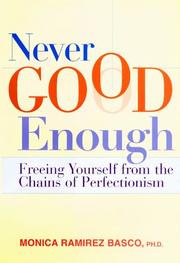 Never good enoughMonica Ramirez BascoA compassionate, practical guide to dismantling the exhausting inner critic and finding peace in the good enough.
 Hold Me TightSue JohnsonA compassionate, science-backed roadmap for turning relationship conflict into profound emotional connection.
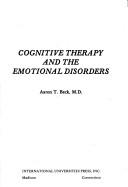 Cognitive therapy and the emotional disordersAaron T. BeckA foundational, analytical exploration of how our thoughts shape our emotional reality and psychological distress.
 Women Who Love Too MuchRobin NorwoodA compassionate but unflinching mirror held up to the painful cycle of losing oneself in the name of love.
 The Five Love LanguagesGary ChapmanA warm, practical toolkit for translating the unspoken emotional needs of the people you care about.
 What makes love last?John Mordechai GottmanA scientifically grounded yet deeply compassionate roadmap to understanding the invisible forces that hold couples together or tear them apart.