Books › Lunch money
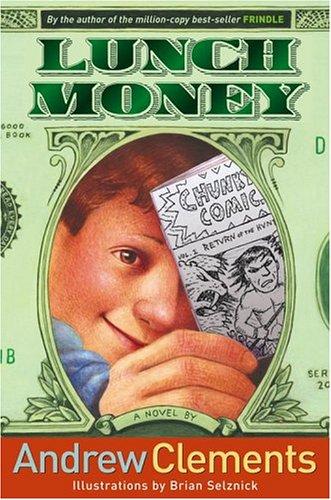
Lunch money
222 pages
A clever, energetic exploration of schoolyard economics and the unexpected joy of turning your biggest rival into your best collaborator.
What it feels like
Reading this book feels like stepping into the bustling, high-stakes ecosystem of a middle school hallway, where every locker holds a secret enterprise and every classmate is a potential customer. The pace is brisk and engaging, driven by a sharp, entrepreneurial energy that keeps the pages turning. It balances a lighthearted, clever tone with moments of genuine earnestness as it explores the friction of childhood rivalries. The prose is accessible and snappy, perfectly tuned to the pragmatic, observant mindset of a sixth-grader figuring out how the adult world works. Ultimately, it is a deeply optimistic read that delights in the magic of creative collaboration, making it a perfect fit for young readers who love a good scheme, a hard-earned truce, and the satisfaction of a plan coming together.
- Mood
- bustling
- energetic
- optimistic
- lighthearted
- Tone
- clever
- earnest
- observant
- humorous
- Pace
- brisk
- Themes
- creative collaboration · healthy competition · overcoming rivalry · navigating authority · entrepreneurial spirit
- The writing
- The writing is snappy, accessible, and straightforward, perfectly capturing the sharp, pragmatic voice of a clever sixth-grader.
- The arc
- The journey shifts from stubborn, solitary ambition to the warm realization that shared creativity is more rewarding than beating a rival.
- Who it's for
- Budding entrepreneurs, creative kids, and fans of clever schoolyard schemes will devour this relatable story.
Content notes
- mild schoolyard rivalry
About the book
Twelve-year-old Greg, who has always been good at moneymaking projects, is surprised to find himself teaming up with his lifelong rival, Maura, to create a series of comic books to sell at school.
Description from Open Library.
Books like Lunch money
See why they match The Landry NewsAndrew ClementsA thoughtful, empowering exploration of the weight of words and the courage it takes to speak the truth in a fifth-grade classroom.
 FrindleAndrew ClementsA playful battle of wits in a fifth-grade classroom spirals into an unstoppable linguistic phenomenon.
 The Lemonade WarDavies, JacquelineA sun-drenched, fast-paced exploration of sibling rivalry that perfectly captures the sticky, high-stakes energy of a childhood summer.
 Sixth Grade SecretsLouis SacharA funny, fast-paced dive into the chaotic social ecosystem of middle school, where secret clubs and prank wars test the limits of friendship.
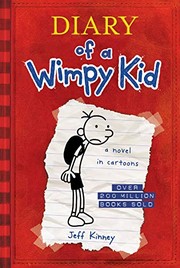 Diary of a Wimpy KidJeff KinneyA hilarious, highly visual survival guide to the everyday humiliations of middle school.
 New KidJerry CraftA warm, funny, and sharply observant graphic novel about the awkward, everyday tightrope walk of middle school and code-switching.