Books › Lyddie

Lyddie
First published 1996 · 502 pages
A gritty, resilient journey through the clattering heart of the Industrial Revolution, fueled by a fierce desire for independence.
What it feels like
Reading this book feels like stepping onto a deafening, lint-choked factory floor, where the relentless rhythm of the looms mirrors the protagonist's fierce, unyielding drive. It is a steady, immersive experience that balances the harsh, claustrophobic realities of nineteenth-century industrial labor with a profound sense of quiet resilience. The prose is straightforward and pragmatic, grounding you in the physical toll of the work while slowly opening up to the warmth of found family and the spark of intellectual awakening. It is a deeply earnest and empathetic read, perfect for those who love historical fiction that doesn't shy away from grit, yet ultimately rewards its characters and its readers with a hard-won sense of hope, solidarity, and self-determination.
- Mood
- claustrophobic
- industrious
- harsh
- hopeful
- Tone
- earnest
- pragmatic
- empathetic
- resilient
- Pace
- steady
- Themes
- cost of independence · labor and solidarity · found family · intellectual awakening · survival and grit
- The writing
- Straightforward and pragmatic, rich with historical texture and the rhythmic, mechanical hum of the factory setting.
- The arc
- Moves from desperate, isolated determination to a broader understanding of community, solidarity, and intellectual freedom.
- Who it's for
- Readers who appreciate gritty, character-driven historical fiction about resilient young women fighting for their place in a changing world.
Content notes
- child labor
- poverty
- workplace injury
- illness
- workplace harassment
About the book
Impoverished Vermont farm girl Lyddie Worthen is determined to gain her independence by becoming a factory worker in Lowell, Massachusetts, in the 1840s.
Description from Open Library.
Books like Lyddie
See why they match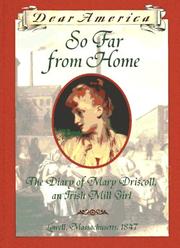 So Far From HomeBarry DenenbergAn intimate, poignant glimpse into the grueling but resilient life of a young immigrant girl navigating the deafening looms of a 19th-century textile mill.
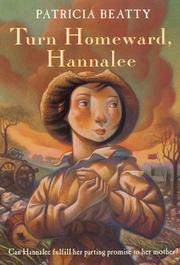 Turn homeward, HannaleePatricia BeattyA poignant and determined historical journey of a young girl navigating wartime displacement to keep a promise to her family.
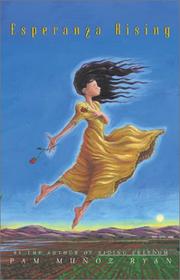 Esperanza RisingPam Muñoz RyanA sensory, deeply grounded journey of losing everything and finding a new kind of wealth in community and the earth.
 What Katy DidSusan CoolidgeA cozy, vintage coming-of-age story that transitions from sunlit childhood mischief to a quiet, earnest meditation on patience and grace.
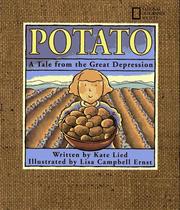 PotatoKate LiedA grounded, earnest glimpse into history told with the unadorned honesty of a child.
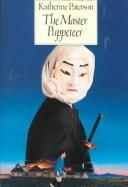 The Master PuppeteerKatherine PatersonStep into a shadowy world of theatrical illusion and simmering rebellion where a young apprentice must untangle truth from performance.