Books › Mary Barton
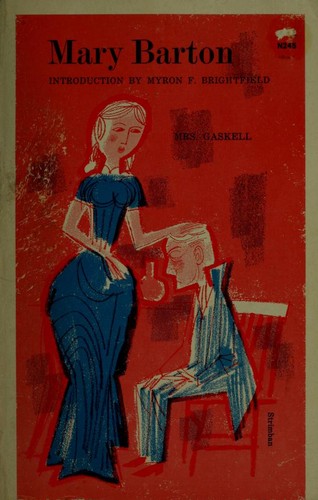
Mary Barton
a tale of Manchester life
672 pages
A gritty, compassionate plunge into the heart of the Industrial Revolution, where romance and murder collide with the desperate struggle for survival.
What it feels like
Reading this novel feels like walking through the soot-stained streets of 1840s Manchester, wrapped in a heavy but deeply compassionate atmosphere. The narrative moves at a steady, deliberate pace, immersing you in the crushing realities of the working class before accelerating into a tense, high-stakes murder trial. Gaskell's prose is earnest and richly textured, capturing both the harshness of industrial poverty and the tender, fierce loyalties of the people enduring it. It is a story steeped in sorrow and systemic injustice, yet it never loses its profound empathy or its belief in moral redemption. Fans of Victorian social realism will be captivated by its blend of gritty documentary detail, tragic romance, and urgent, heart-wrenching melodrama.
- Mood
- gritty
- somber
- tense
- tragic
- hopeful
- Tone
- earnest
- sympathetic
- didactic
- melodramatic
- compassionate
- Pace
- steady
- Themes
- class struggle and inequality · the weight of poverty · moral redemption · divided loyalties · the human cost of industry
- The writing
- Richly descriptive and deeply empathetic, blending Victorian social realism with regional dialect and urgent moral appeals.
- The arc
- Moves from the crushing despair of systemic poverty into a tense, high-stakes trial, ultimately resolving in hard-won forgiveness and a bittersweet chance at a new life.
- Who it's for
- Readers who love sweeping nineteenth-century social novels that balance gritty realism with passionate, high-stakes melodrama.
Content notes
- poverty and starvation
- child death
- murder
- grief
- class-based oppression
About the book
Mary Barton, the daughter of disillusioned trade unionist, rejects her working-class lover Jem Wilson in the hope of marrying Henry Carson, the mill owner's son, and making a better life for herself and her father. But when Henry is shot down in the street and Jem becomes the main suspect, Mary finds herself painfully torn between the two men. Through Mary's dilemma, and the moving portrayal of her father, the embittered and courageous activist John Barton, Mary Barton (1848) powerfully dramatizes the class divides of the 'hungry forties' as personal tragedy. In its social and political setting, it looks towards Elizabeth Gaskell's great novels of the industrial revolution, in particular North and South.
Description from Open Library.
Books like Mary Barton
See why they match North and SouthElizabeth Cleghorn GaskellA soot-stained, slow-burn romance where rigid prejudices melt in the fires of industrial revolution and hard-won empathy.
 Sylvia\'s Lovers CompleteElizabeth Cleghorn GaskellA windswept, tragic tale of a coastal town where a single withheld truth unravels multiple lives.
 Wives and daughtersElizabeth GaskellA warm, sharply observant immersion into the quiet heartbreaks and gentle triumphs of provincial English life.
 Ruth (volume II)Elizabeth GaskellA sensitive, intimate exploration of maternal devotion and societal judgment within a rigid, watchful community.
 Silas MarnerEliot, GeorgesA quiet, pastoral fairy tale about a frozen heart thawed by the unexpected arrival of a child.
 Tess of the d'UrbervillesThomas HardyA lush, devastating portrait of a woman crushed by the relentless machinery of fate and social hypocrisy.