Books › Mary Shelley's Frankenstein; or, the Modern Prometheus (1818 text)

Mary Shelley's Frankenstein; or, the Modern Prometheus (1818 text)
584 pages
A chilling, tragic descent into the icy depths of human ambition and the devastating cost of playing god.
What it feels like
Reading this foundational Gothic masterpiece feels like standing on the edge of a frozen precipice, watching a slow-motion tragedy unfold. The narrative moves at a steady, deliberate pace, wrapping the reader in a suffocating atmosphere of dread and profound melancholy. Far from a simple creature feature, the experience is deeply philosophical and surprisingly tender, anchored by lush, impassioned prose that sweeps from the sunlit lakes of Geneva to the desolate, howling ice fields of the Arctic. It is a story steeped in the sublime terror of nature and the agonizing sting of absolute isolation. Readers who crave atmospheric, emotionally devastating tales about the dark side of ambition and the desperate need for connection will find themselves entirely consumed by its tragic chill.
- Mood
- dread-soaked
- sublime
- desolate
- tragic
- Tone
- earnest
- philosophical
- melancholic
- impassioned
- Pace
- steady
- Themes
- the burden of creation · profound isolation · unchecked ambition · nature versus nurture · the monstrousness of humanity
- The writing
- Lush, formal, and deeply emotive, characterized by sweeping Romantic descriptions and impassioned philosophical monologues.
- The arc
- Begins with lofty, idealistic ambition that curdles into suffocating dread, culminating in profound, icy desolation.
- Who it's for
- Readers who crave atmospheric, philosophical horror that lingers on the tragic consequences of unchecked ambition and profound loneliness.
Content notes
- murder
- child death
- grief
- abandonment
- execution
About the book
This is the original edition which was published in 3 volumes. The cover photograph is of Volume 1. Published anonymously. By Mary Wollstonecraft Shelley. First edition. With half-titles. Title page with quote from Milton's Paradise Lost: "Did I request thee, maker, from my clay / To mould me man? Did I solicit thee / From darkness to promote me?" Printer statement from title page verso of volume 1; place of printing follows printer. Pagination: volume 1: xii, 181, [3] pages; volume 2: [4], 156 pages; volume 3: [4], 192, [4] pages. Publisher's advertisements on 2 unnumbered pages at end of volume 1 and 2 unnumbered pages at the end of volume 3.
Description from Open Library.
Books like Mary Shelley's Frankenstein; or, the Modern Prometheus (1818 text)
See why they match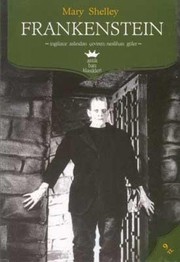 Frankenstein or The Modern PrometheusMary ShelleyA haunting, snow-swept descent into the tragic consequences of unchecked ambition and profound loneliness.
 The Last ManMary ShelleyA lush, sorrowful descent into the end of humanity, wrapped in the ornate prose of a nineteenth-century tragedy.
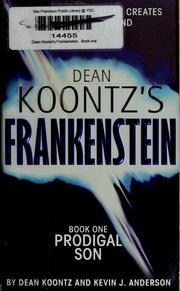 Dean Koontz's FrankensteinKevin J. AndersonA gritty, cinematic thrill ride that drags classic gothic horror into the neon-lit, rain-slicked streets of modern New Orleans.
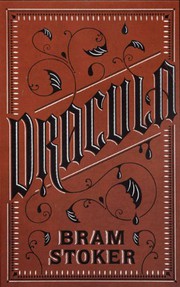 DraculaBram StokerA creeping, epistolary descent into gothic dread where modern rationality battles an ancient, seductive evil.
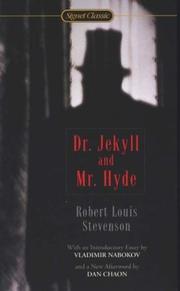 The Strange Case of Dr. Jekyll and Mr. HydeRobert Louis StevensonA fog-shrouded, claustrophobic descent into the terrifying duality of the human soul.
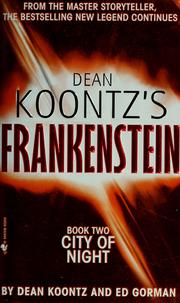 Dean Koontz's FrankensteinEdward GormanA relentless, shadow-drenched thrill ride through New Orleans where classic gothic horror meets modern police procedural.