Books › Mawsim al-hijrah ilá al-shamāl

Mawsim al-hijrah ilá al-shamāl
First published 1969 · 263 pages
A hypnotic, feverish descent into the psychological wreckage of colonialism and the fatal collision of two worlds.
What it feels like
Reading this novel feels like standing on the banks of the Nile at dusk, watching the water turn dark and turbulent. It is a hypnotic, feverish experience that pulls you into a psychological vortex of cultural collision and postcolonial trauma. The prose is deeply lyrical yet laced with an oppressive, mounting dread, blending the rhythms of oral storytelling with sharp modernist fragmentation. As the narrative unfolds, the initial warmth of a nostalgic homecoming curdles into a haunting exploration of alienation, toxic obsession, and the inescapable ghosts of empire. It is a steady, atmospheric read that demands your full attention, perfect for readers who gravitate toward dark, philosophical literature and brilliant, devastating inversions of classic colonial narratives.
- Mood
- feverish
- oppressive
- melancholic
- tense
- Tone
- reflective
- haunting
- cynical
- philosophical
- Pace
- steady
- Themes
- postcolonial identity · cultural collision · the illusion of return · destructive obsession · alienation
- The writing
- Lyrical, hypnotic, and deeply atmospheric, blending modernist fragmentation with the cadence of Arabic oral storytelling.
- The arc
- Begins with the warm nostalgia of homecoming before plunging into a disorienting, tragic confrontation with the psychological wreckage of empire.
- Who it's for
- Readers who appreciate dense, psychologically complex postcolonial literature and haunting narratives of cultural collision.
Content notes
- sexual violence
- suicide
- murder
- misogyny
- racism
About the book
After years of study in Europe, the young narrator returns to his village along the Nile in the Sudan. It is the 1960s, and he is eager to make a contribution to the new postcolonial life of his country. Back home, he discovers a stranger among the familiar faces of childhood--the enigmatic Mustafa Sa'eed. Mustafa takes the young man into his confidence, telling him the story of his own years in London, of his brilliant career as an economist, and of the series of fraught and deadly relationships with European women that led to a terrible public reckoning and his return to his native land.
Description from Open Library.
Books like Mawsim al-hijrah ilá al-shamāl
See why they match In the Country of MenHisham MatarA sun-drenched, dread-soaked portrait of childhood innocence fracturing under the weight of a totalitarian regime.
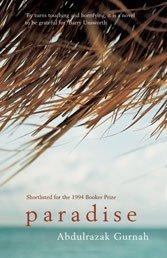 ParadiseAbdulrazak GurnahA lush, quietly devastating coming-of-age journey through a vanishing East Africa on the brink of colonial upheaval.
 Exit WestMohsin HamidA breathtaking, fable-like journey through magical doors that explores how love and humanity endure when the world fractures.
 SnowOrhan PamukA mesmerizing, snow-muffled descent into the dangerous intersection of art, faith, and political fanaticism.
 Celestial BodiesJokha AlharthiAn intimate, unspooling family saga that traces the diverging paths of three sisters against the backdrop of a rapidly modernizing nation.
 The last giftAbdulrazak GurnahA quiet, poignant exploration of the heavy silence left by unspoken family histories when sudden illness strikes.