Books › Measure what matters
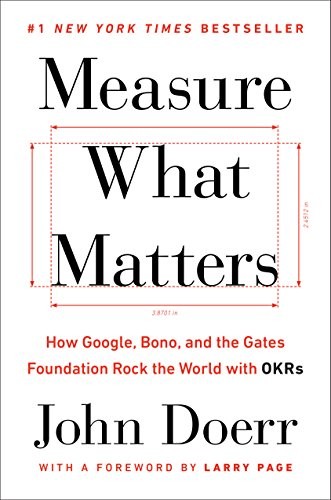
Measure what matters
320 pages
An energetic, anecdote-rich guide to transforming chaotic ambition into focused, measurable success.
What it feels like
Reading this book feels like sitting down with a seasoned mentor who has witnessed the rise of tech giants firsthand. The pace is brisk and energetic, propelled by fascinating anecdotes from the early days of companies like Google and Intel. It cultivates a mood of focused optimism, replacing the overwhelming chaos of sky-high ambitions with the comforting clarity of a proven, structured system. The prose is clear, pragmatic, and highly actionable, seamlessly weaving historical business narratives with instructive frameworks. It is an inspiring and authoritative experience that moves from the anxiety of unstructured growth to the deep satisfaction of organizational alignment. This is the perfect read for entrepreneurs, managers, and ambitious professionals eager to cut through the noise and focus their teams on what truly matters.
- Mood
- focused
- energetic
- optimistic
- structured
- Tone
- authoritative
- pragmatic
- inspiring
- instructive
- earnest
- Pace
- brisk
- Themes
- organizational alignment · goal setting and achievement · operating excellence · transparent leadership · entrepreneurial growth
- The writing
- Clear, anecdote-driven, and highly actionable, blending historical business narratives with practical instruction.
- The arc
- Moves from the chaotic ambition of early start-ups to the satisfying clarity of structured, measurable success.
- Who it's for
- Entrepreneurs, managers, and ambitious professionals looking to bring focus, alignment, and measurable progress to their teams.
About the book
In the fall of 1999, John Doerr met with the founders of a start-up whom he'd just given $12.5 million, the biggest investment of his career. Larry Page and Sergey Brin had amazing technology, entrepreneurial energy, and sky-high ambitions, but no real business plan. For Google to change the world (or even to survive), Page and Brin had to learn how to make tough choices on priorities while keeping their team on track. They'd have to know when to pull the plug on losing propositions, to fail fast. And they needed timely, relevant data to track their progress, to measure what mattered. Doerr taught them about a proven approach to operating excellence: Objectives and Key Results. He had first discovered OKRs in the 1970s as an engineer at Intel, where the legendary Andy Grove drove the best-run company Doerr had ever seen. Later, as a venture capitalist, Doerr shared Grove's brainchild with more than fifty companies. Wherever the process was faithfully practiced, it worked. In this goal-setting system, objectives define what we seek to achieve; key results are how those top-priority goals will be attained with specific, measurable actions within a set time frame. Everyone's goals, from entry level to CEO, are transparent to the entire organization. The benefits are profound. OKRs surface an organization's most important work. They focus effort and foster coordination. They keep employees on track. They link objectives across silos to unify and strengthen the entire company. Along the way, OKRs enhance workplace satisfaction and boost retention. Doerr shares a broad range of first-person, behind-the-scenes case studies, with narrators including Bono and Bill Gates, to demonstrate the focus, agility, and explosive growth that OKRs have spurred at so many great organizations, helping a new generation of leaders capture the same magic.
Description from Open Library.
Books like Measure what matters
See why they match The 4 disciplines of executionChris McChesneyA pragmatic, energizing blueprint for cutting through the noise of daily tasks to actually get the big things done.
 Work Rules! Insights from Inside Google That Will Transform How You Live and LeadLaszlo BockA data-backed, deeply human manifesto that reimagines the modern workplace as a space of autonomy and purpose.
 BlitzscalingReid HoffmanA high-octane playbook for prioritizing speed over efficiency in the relentless pursuit of market dominance.
 Start with whySimon SinekAn energizing masterclass in finding the beating heart behind your work and using it to inspire others.
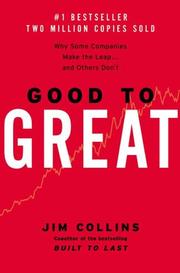 Good to GreatJim CollinsA methodical, research-backed roadmap that transforms the daunting challenge of organizational excellence into a series of disciplined, actionable steps.
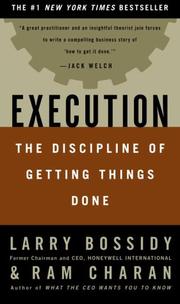 ExecutionRam Charan and Larry BossidyA sleeves-rolled-up, no-nonsense guide to turning lofty corporate strategy into tangible, boots-on-the-ground reality.