Books › Men, women, and chain saws

Men, women, and chain saws
288 pages
A sharp, paradigm-shifting deep dive into the bloody, gender-bending psychology of the horror genre.
What it feels like
Reading this book feels like stepping into a dimly lit screening room with a brilliant, provocative film theorist who completely upends everything you thought you knew about horror. The pace is steady and analytical, guiding the reader through a dark, probing exploration of cinematic terror, sadism, and survival. Rather than a dry academic text, the prose is sharp and deeply engaged with the visceral reality of slasher, possession, and rape-revenge films. It creates an intellectual yet unsettling mood, challenging the reader to look past the surface gore to find the subversive gender dynamics beneath. It will thoroughly delight film scholars, cultural critics, and horror aficionados who want to understand the complex, empowering psychology of the 'tough girl' survivor.
- Mood
- intellectual
- dark
- probing
- unsettling
- Tone
- analytical
- provocative
- academic
- insightful
- challenging
- Pace
- steady
- Themes
- gender and spectatorship · the psychology of horror · victimhood and empowerment · the subversion of the male gaze · artistic value in low culture
- The writing
- Scholarly and rigorously argued, yet accessible enough to dissect visceral pop-culture phenomena with sharp, engaging clarity.
- The arc
- Moves from confronting uncomfortable assumptions about cinematic violence to a nuanced appreciation of the subversive power of the female survivor.
- Who it's for
- Film buffs, cultural critics, and horror fans eager to unpack the complex gender dynamics and psychological underpinnings of their favorite slashers.
Content notes
- discussions of sexual violence
- discussions of rape-revenge tropes
- analysis of cinematic gore and sadism
- horror movie violence
About the book
Do the pleasures of horror movies really begin and end in sadism? So the public discussion of film assumes, and so film theory claims. According to that view, the power of films like Halloween and Texas Chain Saw Massacre lies in their ability to yoke us in the killer's perspective and to make us party to his atrocities. In this book Carol Clover argues that sadism is actually the lesser part of the horror experience and that the movies work mainly to engage the viewer in the plight of the victim-hero - the figure who suffers pain and fright but eventually rises to vanquish the forces of oppression. A paradox is that, since the late 1970s, the victim-hero is usually female and the audience predominantly male.
It is the fraught relation between the "tough girl" of horror and her male fan that Clover explores. Horror movies, she concludes, use female bodies not only for the male spectator to feel at, but for him to feel through.
The author concentrates on three genres in which women and gender issues loom especially large: slasher films, satanic possession films, and rape-revenge films, especially those in which the victim is from the city and the rapists from the country. Her investigation covers over two hundred films, ranging from admired mainstream examples, such as The Accused, to such exploitation products as the widely banned I Spit on Your Grave. Clover emphasizes the importance of the "low" tradition in filmmaking, arguing that it has provided some of the most significant artistic and political innovations of the past two decades.
Female-hero films like Silence of the Lambs and Thelma and Louise may be breakthroughs from the point of view of mainstream Hollywood cinema, but their themes have a long ancestry in lowlife horror.
Description from Open Library.
Books like Men, women, and chain saws
See why they match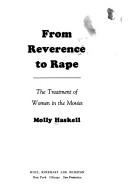 From reverence to rapeMolly HaskellA sharp, paradigm-shifting deep dive into the silver screen that challenges everything you thought you knew about women in film.
 The Celluloid ClosetVito RussoA sharp, passionate excavation of the hidden queer history buried beneath a century of Hollywood glamour and censorship.
 Female MasculinityJack HalberstamA groundbreaking, intellectually thrilling exploration that dismantles the assumption that masculinity belongs exclusively to men.
 Final GirlsRiley SagerA cinematic, blood-spattered psychological thriller that peels back the glossy veneer of survival to reveal the lingering horrors beneath.
 PornographyAndrea DworkinA relentless, fiery polemic that forces the reader to confront the brutal mechanics of patriarchal power and sexual subjugation.
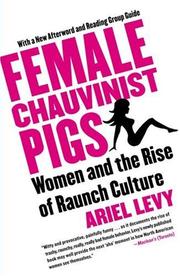 Female Chauvinist PigsAriel LevyA sharp, journalistic dissection of pop culture that asks whether performing objectification is actually a trap disguised as empowerment.