Books › Mental health through will-training

Mental health through will-training
First published 1950 · 448 pages
A pragmatic, foundational guide to reclaiming self-respect through cognitive discipline and practical wisdom.
What it feels like
Reading this foundational manual feels like sitting in a structured, supportive group therapy session where practical wisdom takes precedence over abstract theory. The pace is steady and deliberate, designed to help the reader absorb and apply cognitive behavioral techniques to daily life. Its tone is deeply pragmatic and encouraging, relying on clear, aphoristic maxims to remind us that humor is our best friend and temper our worst enemy. The mood is grounded and purposeful, offering a safe, reflective space for those looking to build better living skills. It will deeply satisfy readers seeking a straightforward, historical framework for self-care, emotional regulation, and the quiet courage required to make mistakes and grow from them.
- Mood
- reflective
- grounded
- purposeful
- Tone
- instructive
- pragmatic
- encouraging
- direct
- Pace
- steady
- Themes
- cognitive behavioral techniques · self-control and self-respect · emotional regulation · practical self-care
- The writing
- Clear, aphoristic, and instructional, relying on memorable maxims to reinforce behavioral frameworks.
- The arc
- Moves from recognizing one's intellectual blind spots to building a steady sense of self-respect through disciplined practice.
- Who it's for
- Readers seeking foundational, practical cognitive-behavioral tools and structured frameworks for managing temper and improving daily living skills.
Content notes
- mental health struggles
- discussions of temper and emotional dysregulation
About the book
Mental Health Through Will-Training is one of the main resources for the explanation and application of the cognitive behavioral self-help techniques developed by Abraham Low, MD. The book not only lays out the framework for developing better living skills, it is also essential for taking part in Recovery International meetings, as it fully describes such self-help tools as:
Humor is our best friend, temper is our worst enemy. Have the courage to make a mistake. People do things that annoy us, not necessarily to annoy us. Tempers are frequently uncontrolled, but not uncontrollable. Every act of self-control leads to a sense of self-respect. Temper is an intellectual blindness to the other side of the story. [GoodReads]
Description from Open Library.
Books like Mental health through will-training
See why they match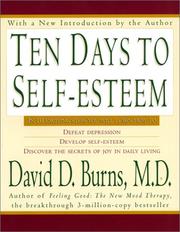 Ten days to self-esteemDavid D. BurnsA structured, compassionate toolkit for rewiring your inner monologue and finding solid emotional ground.
 13 Things Mentally Strong People Don't DoAmy MorinA compassionate but no-nonsense toolkit for shedding the mental habits that keep you stuck.
 Full Catastrophe LivingJon Kabat-ZinnA grounding anchor in the storm of human suffering, offering a quiet, practical path to making peace with the present moment.
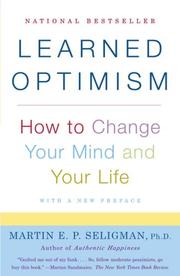 Learned OptimismMartin E.P. SeligmanA scientifically grounded roadmap out of helplessness and into a more resilient, hopeful way of living.
 Search inside yourselfChade-Meng TanA gentle, humorous guide to finding zen in the middle of a chaotic corporate world.
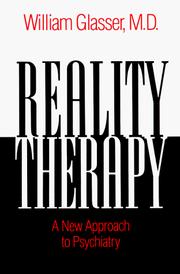 Reality therapyWilliam GlasserA pragmatic, clinical exploration of a therapeutic philosophy centered on personal accountability and facing reality.