Books › Mes cahiers bleus

Mes cahiers bleus
First published 1977 · 328 pages
A glittering, intimate plunge into the fading opulence of the Belle Époque, balancing scandalous high-society gossip with profound personal reflection.
What it feels like
Reading this diary feels like sitting in a velvet-draped Parisian salon at twilight, listening to the whispered secrets of a woman who has seen and conquered it all. The pace is leisurely, inviting you to linger over decades of candid reflections, sharp-tongued gossip, and casual name-dropping that brings the Belle Époque vividly back to life. Beneath the opulent mood and the glittering surface of jewels and royalty lies a surprisingly poignant emotional texture. The prose is elegant yet unvarnished, capturing the tension between earthly vanity and a growing spiritual longing as the narrator ages. It is a decadent, nostalgic experience that will utterly delight readers who love Colette, intimate historical memoirs, and the bittersweet beauty of a fading era.
- Mood
- decadent
- nostalgic
- opulent
- intimate
- Tone
- candid
- gossipy
- reflective
- wry
- melancholic
- Pace
- leisurely
- Themes
- fading glamour · high society gossip · aging and vanity · spiritual longing · twilight of an era
- The writing
- Elegant and sharp-witted, possessing the unvarnished immediacy and conversational grace of a private confession.
- The arc
- Transitions from the glittering vanity of high society observations to a poignant, spiritually reflective acceptance of aging and lost eras.
- Who it's for
- Readers who crave intimate, decadent histories and love peering behind the velvet curtains of the Belle Époque alongside a fiercely observant narrator.
Content notes
- aging and mortality
- infidelity
- substance use
- period-typical bigotry
About the book
My Blue Notebooks: The Intimate Journal of Paris's Most Beautiful and Notorious Courtesan
Born in 1869 as Anne-Marie Chassaigne, she changed her name to Liane de Pougy and became one of the three great courtesans of the Belle Epoque, almost a national treasure, famous for the splendour of her jewellery. She wrote the notebooks upon which the book is based between 1919-1941.
"This work was originally published in France under the title Mes cahiers bleus. Copyright 1977 by Librairie Plon"--Title page verso.
Description from Open Library.
Books like Mes cahiers bleus
See why they match MémoiresGiacomo CasanovaA scandalous, glittering romp through 18th-century Europe guided by history's most unapologetic libertine.
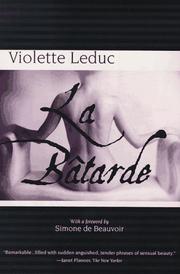 La bâtardeViolette LeducA feverish, unapologetic plunge into the depths of desire, shame, and the fierce pursuit of self-creation.
 Henry and JuneAnais NinAn uncensored, deeply intimate plunge into a year of bohemian passion, sexual awakening, and tangled desires.
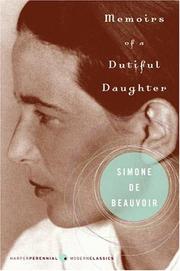 Mémoires d'une jeune fille rangéeSimone de BeauvoirA lucid, intimate portrait of a brilliant mind breaking free from the gilded cage of bourgeois expectations.
 Passion simpleAnnie ErnauxA surgically precise, unsentimental dissection of an all-consuming romantic obsession.
 L'événementAnnie ErnauxA forensic, unflinching excavation of a desperate ticking-clock reality and the profound isolation of a body governed by law.