Books › Meursault, contre-enquete

Meursault, contre-enquete
191 pages
A fierce, whiskey-soaked monologue that reclaims a stolen narrative from the margins of a literary classic.
What it feels like
Reading this book feels like sitting in a dimly lit Oran bar, cornered by a brilliant, grieving man who has spent a lifetime sharpening his anger. It is a steady, hypnotic monologue that breathes life and fury into a ghost of the Western literary canon. The atmosphere is oppressive and sun-drenched, heavy with the ghosts of colonialism and the bitter smoke of cheap cigarettes. The prose is urgent and lyrical, wrapping profound philosophical inquiries into a deeply personal confession of loss and disillusionment. It is a perfect match for readers who love post-colonial literature that challenges the classics, offering an emotionally raw and intellectually rigorous experience that lingers long after the final, exhausted breath of its narrator.
- Mood
- sun-drenched
- haunted
- claustrophobic
- elegiac
- Tone
- bitter
- philosophical
- impassioned
- cynical
- defiant
- Pace
- steady
- Themes
- post-colonial identity · erasure and voicelessness · the weight of grief · absurdity of existence · religious disillusionment
- The writing
- Urgent, lyrical, and fiercely intelligent, unfolding as an intimate, whiskey-soaked monologue that deliberately echoes and subverts its source material.
- The arc
- A simmering, lifelong resentment builds into a desperate reclamation of identity, ultimately settling into a profound, exhausted resignation.
- Who it's for
- Readers who crave intellectually rigorous, politically charged literary fiction that talks back to the Western canon.
Content notes
- murder
- grief
- racism
- colonialism
- alcoholism
About the book
This response to Camus's The Stranger is at once a love story and a political manifesto about post-colonial Algeria, Islam, and the irrelevance of Arab lives. He was the brother of "the Arab" killed by the infamous Meursault, the antihero of Camus's classic novel. Seventy years after that event, Harun, who has lived since childhood in the shadow of his sibling's memory, refuses to let him remain anonymous: he gives his brother a story and a name--Musa--and describes the events that led to Musa's casual murder on a dazzlingly sunny beach. Harun is an old man tormented by frustration. In a bar in Oran, night after night, he ruminates on his solitude, on his anger with men desperate for a god, and on his disarray when faced with a country that has so disappointed him. A stranger among his own people, he wants to be granted, finally, the right to die.
Description from Open Library.
Books like Meursault, contre-enquete
See why they match La Mort heureuseAlbert CamusA sun-drenched, philosophical fever dream about the radical, sometimes ruthless pursuit of a life fully lived.
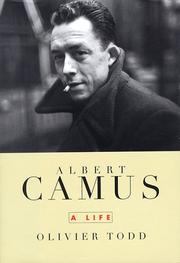 Albert CamusOlivier ToddA vibrant, deeply researched immersion into the sun-drenched youth, bitter conflicts, and intellectual passions of a complex literary icon.
 The Myth of Sisyphus and Other EssaysAlbert CamusA lyrical and defiant meditation on finding meaning and joy in a universe that refuses to offer any.
 Les damnés de la terreFrantz FanonA searing, intellectual lightning strike that dissects the anatomy of oppression and demands a radical reimagining of the world.
 The Arab of the futureRiad SattoufA visually striking and candid graphic memoir that filters the chaos of political idealism and cultural displacement through the wide eyes of a nomadic child.
 Woman at Point ZeroNawal El SaadawiA fierce, unblinking stare into the abyss of patriarchal violence that transforms utter despair into a radical declaration of freedom.