Books › Microserfs
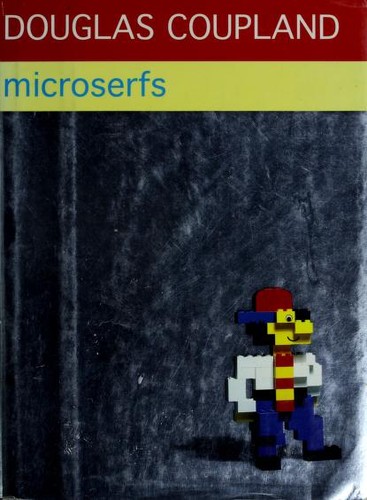
Microserfs
First published 1995 · 496 pages
A caffeinated, hyper-observant diary of cubicle life that captures the exact moment technology began to rewire the human soul.
What it feels like
Reading this feels like scrolling through the private, caffeinated thoughts of a brilliant but lost friend. The diary-entry format gives the narrative a brisk, fragmented momentum, filled with lists, early internet slang, and hyper-specific pop culture observations. It perfectly captures the fluorescent-lit, sleep-deprived atmosphere of 1990s tech culture, balancing wry workplace satire with a surprisingly tender exploration of what it means to be human in a digital world. Beneath the ironic detachment and geeky humor lies a deep, earnest yearning for connection and meaning outside the corporate machine. It will deeply resonate with anyone who has ever felt alienated in a cubicle, offering a nostalgic, funny, and ultimately hopeful look at finding your own weird, chosen family.
- Mood
- fluorescent-lit
- caffeinated
- alienated
- nostalgic
- Tone
- wry
- hyper-observant
- ironic
- earnest
- geeky
- Pace
- brisk
- Themes
- corporate alienation · search for meaning · found family · technological acceleration · digital identity
- The writing
- Fragmented, list-heavy, and saturated with pop culture, the writing mimics the hyperactive, scrolling nature of early digital communication.
- The arc
- The narrator transitions from numb, sleep-deprived corporate isolation to a messy, earnest embrace of human connection and creative independence.
- Who it's for
- Readers who love 90s tech nostalgia, workplace satires, and stories about geeks trying to figure out how to be human.
Content notes
- corporate burnout
- existential dread
About the book
Microserfs is an epistolary novel by Douglas Coupland. It first appeared in short story form as the cover article for the January 1994 issue of Wired magazine and was subsequently expanded to full novel length. Set in the early 1990s, it captures the state of the technology industry before Windows 95, and anticipates the dot-com bubble of the late 1990s. The novel is presented in the form of diary entries maintained on a PowerBook by the narrator, Daniel. Because of this, as well as its formatting and usage of emoticons, this novel is similar to what emerged a decade later as the blog format.
Description from Open Library.
Books like Microserfs
See why they match Generation XDouglas CouplandA sun-baked, hyper-articulate retreat into the desert to escape the crushing weight of consumerism and corporate ladders.
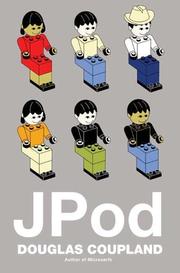 JPodDouglas CouplandA hyper-cynical, neon-drenched descent into the soul-crushing, absurd reality of modern corporate tech culture.
 Islands in the NetBruce SterlingA globe-trotting, idea-dense plunge into the dark, data-pirated underbelly of a seemingly utopian corporate future.
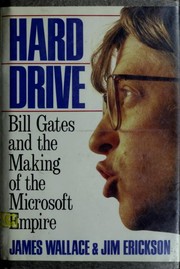 Hard driveJames WallaceA fast-paced, unvarnished look into the caffeine-fueled, cutthroat dawn of the personal computing era.
 HackersSteven LevyA high-energy, late-night journey into the obsessive minds and fluorescent-lit labs that birthed the digital age.
 Eastern standard tribeCory DoctorowA manic, tech-fueled satire of digital tribalism and corporate espionage told from inside a psychiatric ward.