Books › Milton's Poems

Milton's Poems
1181 pages
A sweeping, sonorous descent into cosmic rebellion and the tragic loss of innocence.
What it feels like
Reading this collection feels like standing inside a massive, echoing cathedral where the architecture is made entirely of language. The experience is undeniably demanding, requiring you to surrender to the rolling, Latinate syntax and the sheer, staggering scale of its cosmic vision. It moves with a steady, majestic rhythm, pulling you through fiery debates among fallen angels and the lush, doomed beauty of an untouched paradise. The atmosphere is thick with awe, solemnity, and a profound, lingering melancholy. It is a deeply philosophical journey that wrestles with the heaviest questions of free will, rebellion, and human frailty. This is for the patient reader who delights in linguistic grandeur and wants to be overwhelmed by the sublime weight of epic poetry.
- Mood
- awe-inspiring
- solemn
- cosmic
- melancholic
- Tone
- grand
- authoritative
- philosophical
- tragic
- reverent
- Pace
- steady
- Themes
- the burden of free will · rebellion and obedience · loss of innocence · the nature of evil · divine justice
- The writing
- Majestic, complex blank verse built on Latinate syntax, extended epic similes, and a sonorous, rolling musicality.
- The arc
- Begins with the fiery, defiant energy of cosmic rebellion and slowly descends into the quiet, heartbreaking sorrow of earthly exile.
- Who it's for
- Readers who crave linguistic density, theological philosophy, and sweeping, mythic narratives that demand deep, patient concentration.
Content notes
- religious themes
- war and violence
- grief
About the book
John Milton (9 December 1608 – 8 November 1674) was an English poet and intellectual. His 1667 epic poem Paradise Lost, written in blank verse and including over ten chapters, was written in a time of immense religious flux and political upheaval. It addressed the fall of man, including the temptation of Adam and Eve by the fallen angel Satan and God's expulsion of them from the Garden of Eden. Paradise Lost is widely considered one of the greatest works of literature ever written, and it elevated Milton's widely-held reputation as one of history's greatest poets.1 He also served as a civil servant for the Commonwealth of England under its Council of State and later under Oliver Cromwell.
Description from Open Library.
Books like Milton's Poems
See why they match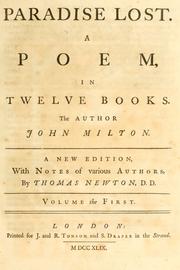 Paradise LostMilton, John ; Hughes, Merritt EditorA cosmic, thunderous descent into rebellion and the tragic, beautiful fragility of human innocence.
 Samson AgonistesJohn MiltonA grave and moral poetic tragedy designed to evoke pity and fear before delivering a profound, tempering catharsis.
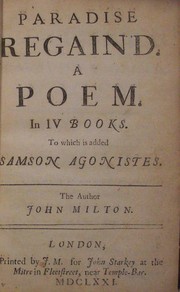 Paradise RegainedJohn MiltonA masterful, poetic exploration of temptation and humanity that demands total commitment from both mind and heart.
 The marriage of Heaven and HellWilliam BlakeA fiery, hallucinatory descent into the underworld that flips conventional morality on its head to celebrate the holiness of raw desire.
 Poems (Lover's Complaint / Passionate Pilgrim / Phoenix and the Turtle / Rape of Lucrece / Sonnets / Venus and Adonis)William ShakespeareA timeless immersion into the heights of passion, the sting of betrayal, and the enduring power of classic verse.
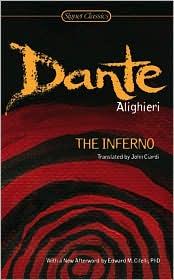 InfernoDante AlighieriA methodical, awe-inspiring descent into the darkest architectures of human sin and divine retribution.