Books › Miss Happiness and Miss Flower

Miss Happiness and Miss Flower
First published 1987 · 119 pages
A tender exploration of childhood displacement that finds its cure in the quiet, meticulous magic of building a miniature world.
What it feels like
A gentle, steady read that wraps the reader in a cozy yet emotionally resonant atmosphere. The narrative begins with a heavy sense of displacement and melancholy, capturing the acute ache of childhood homesickness. However, the mood gradually shifts toward something deeply restorative and warm as the focus turns to the meticulous, loving care of miniature companions. The inclusion of actual construction plans gives the prose a uniquely practical, grounded texture, balancing emotional vulnerability with hands-on creativity. It is a story about finding one's place in a new world by building a smaller, safer one from scratch. This book will delight readers who cherish quiet tales of resilience, the intricate charm of dollhouses, and the healing power of nurturing others.
- Mood
- tender
- melancholic
- cozy
- restorative
- Tone
- earnest
- gentle
- comforting
- practical
- Pace
- steady
- Themes
- finding belonging · overcoming homesickness · the healing power of care · cross-cultural connection · creative play
- The writing
- Gentle and accessible, blending emotional sensitivity with practical, hands-on descriptions of craft and care.
- The arc
- Moves from deep displacement and sorrow to a sense of purpose, comfort, and belonging through the act of nurturing others.
- Who it's for
- Readers who appreciate quiet, character-driven stories about childhood resilience, miniatures, and the comforting magic of dollhouses.
Content notes
- homesickness
- childhood displacement
About the book
After she leaves India to live with her cousins in England, eight-year-old Nona is overcome with homesickness until her great-aunt sends two Japanese dolls which need love and care. Includes construction plans for a Japanese dollhouse.
Description from Open Library.
Books like Miss Happiness and Miss Flower
See why they match Little PlumRumer GoddenA gentle, nostalgic exploration of childhood curiosity and the quiet magic of bonding over shared treasures.
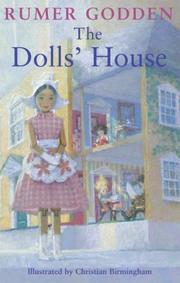 Doll's HouseRumer GoddenA beautifully observed, bittersweet glimpse into the secret, high-stakes lives of toys where courage comes in the smallest of packages.
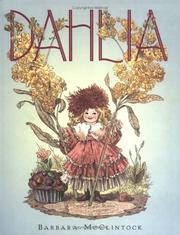 DahliaBarbara McClintockA sweet and gentle story about looking past preconceived notions to find friendship in unexpected places.
 WeedflowerCynthia KadohataA tender, bittersweet exploration of holding onto dreams and finding unexpected friendship in the harsh landscape of an internment camp.
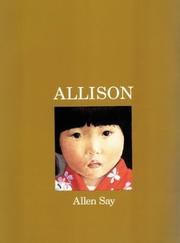 AllisonAllen SayA gentle, quiet exploration of identity and belonging, guided by the comforting presence of a stray cat.
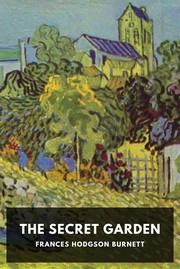 The Secret GardenFrances Hodgson BurnettA quiet, earthy journey of neglected things, both human and botanical, slowly coaxed back to vibrant life.