Books › Mujeres, Raza Y Clase (Cuestiones De Antagonismo)

Mujeres, Raza Y Clase (Cuestiones De Antagonismo)
First published 2006 · 341 pages
A foundational, clear-eyed dismantling of historical narratives that demands a more unified, intersectional approach to liberation.
What it feels like
Reading this book feels like having a veil lifted from the history you thought you knew. It is a steady, deeply illuminating experience that grounds modern feminist discourse in the harsh, often ignored realities of the past. The prose is rigorous and lucid, delivering sharp political critique without ever losing its urgent, impassioned edge. As you move through its pages, the mood shifts from a sobering confrontation with historical betrayals, particularly the fractures between white suffragettes and Black liberationists, to a galvanizing call for true solidarity. It is an essential, intellectually rigorous text that will profoundly satisfy readers looking to understand the deep, tangled roots of systemic oppression and the absolute necessity of intersectional struggle.
- Mood
- sobering
- galvanizing
- illuminating
- intellectual
- Tone
- incisive
- urgent
- authoritative
- impassioned
- clear-eyed
- Pace
- steady
- Themes
- intersectional feminism · systemic oppression · historical erasure · class struggle · solidarity
- The writing
- Rigorous, lucid, and deeply analytical, blending historical documentation with sharp political critique.
- The arc
- Moves from a sobering confrontation with historical betrayals to a galvanizing call for unified, intersectional struggle.
- Who it's for
- Readers seeking a foundational, historically grounded understanding of intersectional feminism and the roots of systemic inequality.
Content notes
- racism
- sexism
- discussions of slavery
- historical sexual violence
- classism
About the book
Longtime activist, author and political figure Angela Davis brings us this expose of the women's movement in the context of the fight for civil rights and working class issues. She uncovers a side of the fight for suffrage many of us have not heard: the intimate tie between the anti-slavery campaign and the struggle for women's suffrage. She shows how the racist and classist bias of some in the women's movement have divided its own membership. Davis' message is clear: If we ever want equality, we're gonna have to fight for it together.
Description from Open Library.
Books like Mujeres, Raza Y Clase (Cuestiones De Antagonismo)
See why they match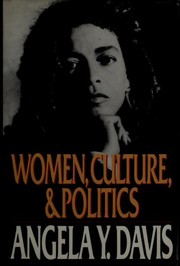 Women, culture & politicsAngela Y. DavisA galvanizing masterclass in intersectional thought that challenges you to look at systemic oppression with unflinching clarity.
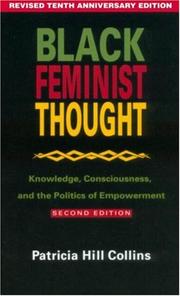 Black Feminist ThoughtPatricia Hill CollinsAn illuminating, foundational journey through the intellectual lineage and lived experiences of Black women.
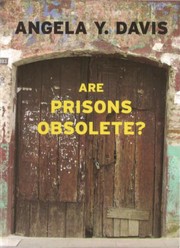 Are Prisons Obsolete?Angela Y. DavisA short, paradigm-shifting manifesto that systematically dismantles everything you thought you knew about justice and punishment.
 Ain't I a Womanbell hooksA fiercely articulate and foundational dismantling of historical erasure that feels like a necessary intellectual awakening.
 If They Come in the MorningAngela Yvonne DavisAn urgent, foundational chorus of revolutionary voices dismantling the logic of the carceral state.
 How we get freeKeeanga-Yamahtta TaylorA galvanizing reflection on the roots of radical Black feminism and its enduring power in modern struggles.