Books › Musicophilia
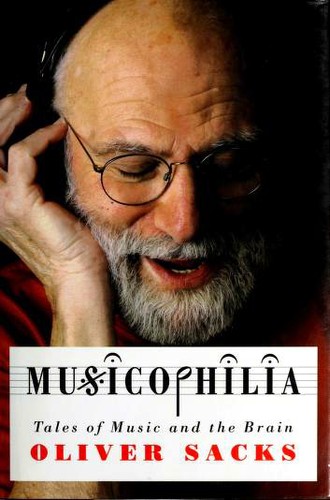
Musicophilia
Tales of Music and the Brain
First published 2007 · 542 pages
A compassionate, awe-inspiring journey into the mysterious ways melody and rhythm shape, break, and heal the human mind.
What it feels like
Reading this book feels like walking through a gallery of human miracles with the world's most empathetic doctor as your guide. It unfolds at a steady, contemplative pace, inviting you to marvel at the profound and sometimes bizarre ways our brains interact with melody and rhythm. The mood is a unique blend of intellectual stimulation and deep poignancy, shifting seamlessly from clinical curiosity to awe-struck reverence. You are constantly reminded of the fragility of the human mind, yet equally uplifted by its incredible resilience. The prose is elegant and warm, translating complex neurology into deeply human stories. It is a perfect match for curious, tender-hearted readers who want to explore the mysterious intersection of biology, art, and the soul.
- Mood
- contemplative
- wonder-filled
- poignant
- intellectually stimulating
- Tone
- compassionate
- curious
- empathetic
- reverent
- clinical yet warm
- Pace
- steady
- Themes
- the healing power of art · mysteries of the mind · human resilience · the intersection of biology and soul · adaptability in illness
- The writing
- Elegant and deeply humanistic, seamlessly weaving precise medical terminology with poetic, empathetic storytelling.
- The arc
- Begins with intellectual curiosity about neurological quirks and deepens into a profound, moving reverence for human resilience and the soul's connection to art.
- Who it's for
- Curious, empathetic readers who are fascinated by the brain and love exploring the profound intersections between science, art, and human experience.
Content notes
- medical trauma
- dementia and Alzheimer's
- degenerative diseases
- mental illness
About the book
Music can move us to the heights or depths of emotion. It can persuade us to buy something, or remind us of our first date. It can lift us out of depression when nothing else can. It can get us dancing to its beat. But the power of music goes much, much further. Indeed, music occupies more areas of our brain than language does–humans are a musical species.
Oliver Sacks’s compassionate, compelling tales of people struggling to adapt to different neurological conditions have fundamentally changed the way we think of our own brains, and of the human experience. In Musicophilia, he examines the powers of music through the individual experiences of patients, musicians, and everyday people–from a man who is struck by lightning and suddenly inspired to become a pianist at the age of forty-two, to an entire group of children with Williams syndrome who are hypermusical from birth; from people with “amusia,” to whom a symphony sounds like the clattering of pots and pans, to a man whose memory spans only seven seconds–for everything but music.
Our exquisite sensitivity to music can sometimes go wrong: Sacks explores how catchy tunes can subject us to hours of mental replay, and how a surprising number of people acquire nonstop musical hallucinations that assault them night and day. Yet far more frequently, music goes right: Sacks describes how music can animate people with Parkinson’s disease who cannot otherwise move, give words to stroke patients who cannot otherwise speak, and calm and organize people whose memories are ravaged by Alzheimer’s or amnesia.
Music is irresistible, haunting, and unforgettable, and in Musicophilia, Oliver Sacks tells us why.
Description from Open Library.
Books like Musicophilia
See why they match The Man Who Mistook His Wife for a HatOliver SacksA deeply empathetic and beautifully written exploration of the bizarre ways the human brain can misfire, revealing the fragile essence of who we are.
 This Is Your Brain on MusicDaniel J. LevitinA backstage pass to the neuroscience of your favorite playlist, revealing why a simple melody can make you weep or dance.
 LivewiredDavid EaglemanA thrilling, metaphor-rich surf along the leading edge of neuroscience that will completely change how you view your own mind.
 The Brain That Changes ItselfNorman DoidgeAn awe-inspiring exploration of human resilience that will fundamentally change how you view your own mind's potential.
 On the MoveOliver SacksA deeply human, restless exploration of a brilliant mind racing to understand itself and the world.
 The Organized MindDaniel J. LevitinA clarifying deep dive into the brain's mechanics that offers a scientific life raft for the chronically overwhelmed.