Books › Never Let Me Go

Never Let Me Go
471 pages
A quietly devastating exploration of memory, friendship, and the heartbreaking brevity of a life.
What it feels like
Reading this novel feels like looking at a faded photograph while a slow, creeping dread settles in your chest. The narrative unfolds at a leisurely, reflective pace, guided by a voice that is incredibly intimate, nostalgic, and deceptively calm. You are immersed in an autumnal, elegiac atmosphere where the true horror of the world is never shouted, but rather whispered through the gaps in the narrator's memories. The prose is conversational and restrained, masking a profound well of sorrow that builds with every page. It is a deeply moving experience for readers who love quiet, philosophical tragedies that linger long after the final page. You will find yourself heartbroken not by sudden violence, but by the quiet, devastating acceptance of an inevitable fate.
- Mood
- quietly devastating
- haunting
- elegiac
- autumnal
- Tone
- nostalgic
- restrained
- melancholic
- matter-of-fact
- Pace
- leisurely
- Themes
- the fleeting nature of time · quiet acceptance of fate · memory and loss · the boundaries of humanity
- The writing
- Deceptively simple and conversational, masking a deep well of unspoken sorrow and existential weight.
- The arc
- Begins in the hazy, nostalgic warmth of childhood memory and slowly descends into a quiet, crushing inevitability.
- Who it's for
- Readers who appreciate slow-burn, character-driven tragedies and philosophical questions wrapped in intimate, quiet storytelling.
Content notes
- terminal illness
- medical trauma
- loss of loved ones
- existential dread
About the book
Ishiguro explores what it means to have a soul and how art distinguishes man from other life forms. But above all, Never Let Me Go is a study of friendship and the bonds we form which make or break while we come of age.
Description from Open Library.
Books like Never Let Me Go
See why they match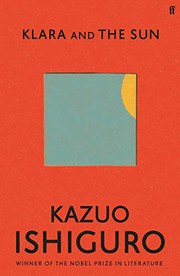 Klara and the SunKazuo IshiguroA quiet, sunlit meditation on devotion and what it truly means to possess a human heart, told through the earnest eyes of an artificial being.
 The Remains of the DayKazuo IshiguroA masterclass in what is left unsaid, where a lifetime of perfect duty masks a quietly devastating tragedy of unlived love.
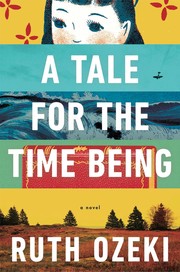 A Tale for the Time BeingRuth OzekiA deeply moving meditation on time, existence, and the invisible threads that connect us across oceans and generations.
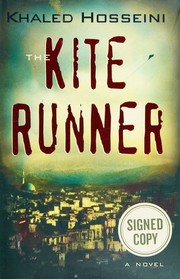 The Kite RunnerKhaled HosseiniA sweeping, emotionally devastating journey through guilt, memory, and the painful, hard-won path to redemption.
 Oryx and CrakeMargaret AtwoodA darkly satirical, dread-soaked journey through the ruins of a genetically engineered apocalypse, guided by the last cynical man on earth.
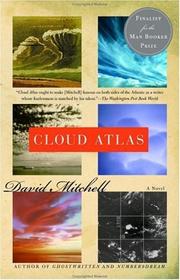 Cloud AtlasDavid MitchellA breathtaking, genre-hopping puzzle box that spans centuries to reveal the invisible threads connecting all of human history.