Books › New horizons in astronomy
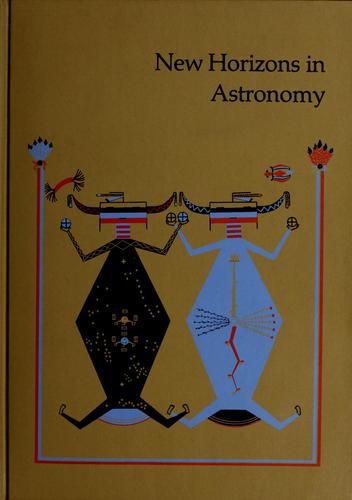
New horizons in astronomy
First published 1972 · 614 pages
A methodical, expansive exploration of the cosmos that grounds mind-bending astrophysics in clear, educational prose.
What it feels like
Reading this book feels like stepping into a classic, wood-paneled university lecture hall where the mysteries of the cosmos are unspooled with careful, deliberate clarity. The pace is steady and methodical, as befits a foundational text, yet the atmosphere it creates is one of quiet, expansive awe. It invites the reader to sit with the most profound questions of human existence, how the universe began and how life arose, and answers them through the rigorous, grounding lens of mid-century scientific inquiry. The prose is straightforward and academic, prioritizing understanding over flourish, but the sheer scale of the subject matter lends an inherent poetry to the reading experience. It is a deeply satisfying journey for anyone who finds comfort and wonder in the structured exploration of the stars.
- Mood
- expansive
- contemplative
- intellectual
- awe-inspiring
- Tone
- informative
- earnest
- academic
- objective
- curious
- Pace
- steady
- Themes
- cosmic origins · scientific inquiry · the scale of the universe · human curiosity
- The writing
- Clear, methodical, and structured, prioritizing comprehension while occasionally dipping into the inherent poetry of astrophysics.
- The arc
- Begins with fundamental questions about our existence and expands outward into a profound appreciation for the vastness of the cosmos.
- Who it's for
- Curious minds and amateur astronomers looking for a grounded, mid-century foundational text on how the universe works.
About the book
How did the universe originate and how did it reach its present state? What formed the earth and how did life arise? These are among the central questions that have concerned every human culture and they obviously involve events buried in the distant past. How can we progress in understanding so as to choose among the various theories for the origin of the universe, or possibly formulate a better theory? This process of exploration is what we call astronomy, and the final purpose of astronomy is thus nothing less than to account for the origin and physical nature of the universe around us.
Description from Open Library.
Books like New horizons in astronomy
See why they match AstronomyWilliam K. HartmannA comprehensive and awe-inspiring journey through the mechanics, history, and profound mysteries of the universe.
 Physics for poetsRobert H. MarchA gentle, math-light journey through the history of physics that treats scientific discovery as a deeply human, almost artistic endeavor.
 The hidden heart of the cosmosSwimme,BrianAn awe-inspiring journey that bridges the vastness of the universe with the intimate depths of the human soul.
 21st Century AstronomyGeorge Blumenthal and Bradford SmithA structured, awe-inspiring journey through the mechanics of the cosmos that grounds complex astrophysics in accessible clarity.
 Introductory astronomy and astrophysicsMichael ZeilikA structured, academic journey through the foundational mechanics of the universe.
 Exploration of the universeGeorge O. AbellA methodical, awe-inspiring journey through the mechanics of the cosmos that grounds the reader in the sheer scale of the universe.