Books › Nickel and Dimed

Nickel and Dimed
First published 2001 · 416 pages
A sharp, boots-on-the-ground immersion into the exhausting reality of low-wage America that shatters the myth of pulling oneself up by the bootstraps.
What it feels like
Reading this book feels like having a veil lifted, revealing the invisible, bone-deep exhaustion that powers everyday American convenience. The narrative moves at a brisk, engaging clip, driven by a voice that is simultaneously wry, deeply empathetic, and simmering with righteous indignation. You are pulled right into the physical toll of scrubbing floors and the mental gymnastics of surviving on minimum wage, creating an atmosphere that is both deeply anxious and profoundly sobering. The prose is sharp and accessible, cutting through political rhetoric with dark humor and undeniable lived reality. It is a perfect read for those who crave immersive, boots-on-the-ground journalism that challenges the status quo and leaves you looking at the world with permanently altered, more compassionate eyes.
- Mood
- sobering
- anxious
- gritty
- eye-opening
- Tone
- wry
- indignant
- empathetic
- sharp
- sardonic
- Pace
- brisk
- Themes
- the myth of the American Dream · systemic inequality · invisible labor · survival versus living · the hidden cost of convenience
- The writing
- Sharp, accessible, and laced with dark humor, blending personal anecdote with incisive social critique.
- The arc
- Moves from a curious sociological experiment to deep, bone-weary frustration and righteous anger at a broken system.
- Who it's for
- Readers who want to understand the realities of American capitalism and appreciate immersive, boots-on-the-ground journalism.
Content notes
- poverty
- housing insecurity
- workplace exploitation
- systemic classism
About the book
"Millions of Americans work full-time, year-round, for poverty-level wages. In 1998, Barbara Ehrenreich decided to join them. She was inspired in part by the rhetoric surrounding welfare reform, which promised that a job--any job--can be the ticket to a better life. But how does anyone survive, let alone prosper, on $6 an hour? To find out, Ehrenreich left her home, took the cheapest lodgings she could find, and accepted whatever jobs she was offered. Moving from Florida to Maine to Minnesota, she worked as a waitress, a hotel maid, a cleaning woman, a nursing home aide, and a Wal-Mart sales clerk. She lived in trailer parks and crumbling residential motels. Very quickly, she discovered that no job is truly "unskilled," that even the lowliest occupations require exhausting mental and muscular effort. She also learned that one job is not enough; you need at least two if you intend to live indoors. Nickel and Dimed reveals low-rent America in all its tenacity, anxiety, and surprising generosity--a land of Big Boxes, fast food, and a thousand desperate strategems for survival. Read it for the smoldering clarity of Ehrenreich's perspective and for a rare view of how "prosperity" looks from the bottom. You will never see anything--from a motel bathroom to a restaurant meal--quite the same way again. "--
"With a new afterword"--Cover.
Description from Open Library.
Books like Nickel and Dimed
See why they match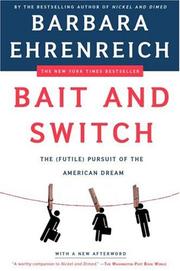 Bait and SwitchBarbara EhrenreichA sobering, sharp-eyed descent into the precarious reality of the modern middle class, where doing everything right is no longer enough.
 Hand to MouthLinda TiradoA fiercely intelligent, no-bullshit dispatch from the front lines of the American working poor.
 WorkingStuds TerkelA rich, conversational tapestry of everyday voices revealing the profound fears, joys, and meaning found in daily labor.
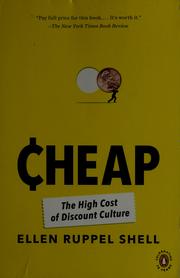 CheapEllen Ruppel ShellA sobering, eye-opening journey into the hidden psychological and economic toll of our addiction to a bargain.
 Fast Food NationEric SchlosserA gripping, stomach-churning journey behind the counter of America's most ubiquitous industry.
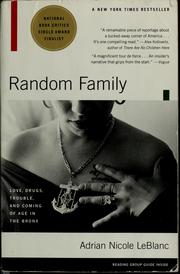 Random familyAdrian Nicole LeBlancAn immersive, unflinching plunge into the chaotic, deeply human reality of generational poverty and survival.