Books › Nine tomorrows

Nine tomorrows
242 pages
A cerebral journey through the triumphs and tragedies of human progress, culminating in mind-expanding cosmic awe.
What it feels like
Reading this collection feels like sitting in a mid-century laboratory with a brilliant, slightly wry professor who is eager to test the limits of your imagination. The pace is steady and deliberate, allowing each story's central conceit to unfold like a carefully constructed puzzle. While the prose is famously unadorned and functional, it serves as the perfect transparent vessel for massive, mind-bending ideas about entropy, technological dependency, and the future of human society. The mood shifts masterfully from lighthearted satirical jabs at bureaucracy to profound, sweeping cosmic awe, with occasional gut-punches of deep emotional resonance. It is a deeply cerebral experience that will delight fans of classic, idea-driven science fiction who prefer philosophical thought experiments and clever twist endings over explosive action.
- Mood
- cerebral
- expansive
- nostalgic
- awe-inspiring
- poignant
- Tone
- analytical
- wry
- philosophical
- inquisitive
- earnest
- Pace
- steady
- Themes
- technological dependency · cosmic entropy · limits of human knowledge · societal engineering · what makes us human
- The writing
- Clear, unadorned, and highly functional, serving as a transparent window into complex philosophical thought experiments.
- The arc
- Begins with playful intellectual puzzles and societal satires, gradually deepening into profound cosmic awe and unexpected emotional devastation.
- Who it's for
- Readers who love classic, idea-driven science fiction that prioritizes mind-bending concepts and philosophical questions over action.
Content notes
- existential dread
- child separation
About the book
Nine Tomorrows is a collection of nine short stories and two pieces of comic verse by American writer Isaac Asimov. The pieces were all originally published in magazines between 1956 and 1958, with the exception of the closing poem, "Rejection Slips", which was original to the collection. The book was first published in the United States in 1959 and in the UK in 1963. It includes two of Asimov's favorite stories, "The Last Question" and "The Ugly Little Boy".
Contents "I Just Make Them Up, See!" "Profession" "The Feeling of Power" "The Dying Night" (part of the Wendell Urth series) "I'm in Marsport Without Hilda" "The Gentle Vultures" "All the Troubles of the World" (part of the Multivac series) "Spell My Name with an S" "The Last Question" (loosely part of the Multivac series) "The Ugly Little Boy" "Rejection Slips"
Description from Open Library.
Books like Nine tomorrows
See why they match Robot DreamsIsaac AsimovA cerebral and quietly awe-inspiring exploration of humanity's technological future, built on elegant logical puzzles.
 The Complete Stories, Volume 1Isaac AsimovA brisk, mind-expanding journey through clever thought experiments and cosmic puzzles that prioritize big ideas over flowery prose.
 The return of the Black WidowersPerseusA clever, episodic collection of urban puzzles and speculative mysteries that invites the reader to play detective.
 Welcome to the Monkey HouseKurt VonnegutA darkly funny, deeply humanist carnival ride through the absurdities and anxieties of the mid-century American psyche.
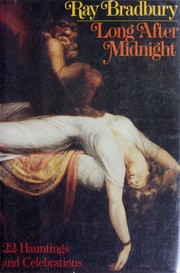 Long After MidnightRay BradburyA twilight journey through the strange, the nostalgic, and the deeply human, wrapped in lyrical prose.
 I Have No Mouth and I Must ScreamHarlan EllisonA relentless, claustrophobic plunge into the darkest extremes of technological hubris and existential torment.