Books › No Ordinary Time

No Ordinary Time
First published 1995 · 768 pages
An intimate, fly-on-the-wall experience of a marriage that shaped the modern world during its darkest hours.
What it feels like
Reading this book feels like being granted unprecedented access to the bustling, high-stakes corridors of a wartime White House. The narrative unfolds at a steady, absorbing pace, anchoring the sweeping, monumental scope of global conflict in the deeply intimate, often fraught domestic reality of a complex marriage. The mood is both tense and deeply human, capturing the exhaustion, the idealism, and the pragmatic compromises of leaders carrying the weight of the world. The prose is rich and empathetic, transforming historical figures into flesh-and-blood people navigating extraordinary pressures. It is a deeply immersive experience that will delight readers who crave history that feels lived-in, offering a masterful blend of the personal and the political that resonates long after the final page.
- Mood
- bustling
- tense
- monumental
- immersive
- Tone
- authoritative
- intimate
- empathetic
- sweeping
- Pace
- steady
- Themes
- the weight of leadership · complex marriages · personal vs. political · national transformation · idealism vs. pragmatism
- The writing
- Richly detailed and narrative-driven, seamlessly weaving grand historical events with intimate domestic moments.
- The arc
- Moves from the anxious uncertainty of a nation on the brink to the exhausting, triumphant, and ultimately sorrowful culmination of a monumental era.
- Who it's for
- Readers who love immersive, character-driven history and are fascinated by the private lives of public figures.
Content notes
- war themes
- death of a spouse
- illness
- infidelity
About the book
From the best-selling author of The Fitzgeralds and the Kennedys and Lyndon Johnson and the American Dream comes a compelling chronicle of a nation and its leaders during the period when modern America was created.
Presenting an aspect of American history that has never been fully told, Doris Kearns Goodwin writes a brilliant narrative account of how the United States of 1940, an isolationist country divided along class lines, still suffering the ravages of a decade-long depression and woefully unprepared for war, was unified by a common threat and by the extraordinary leadership of Franklin Roosevelt to become, only five years later, the preeminent economic and military power in the world.
At the center of the country's transformation was the complex partnership of Franklin and Eleanor Roosevelt. Franklin's main objective from the war's onset was victory, and he knew the war could not be won without focusing the energies of the American people and expanding his base of support - making his peace with conservative leaders and gaining the cooperation of big business.
Eleanor, meanwhile, felt the war would not be worth winning if the old order of things at home prevailed and was often at odds with her husband in her efforts to preserve the gains of the New Deal and achieve reforms in civil rights, housing, and welfare programs.
While Franklin manned the war room at the White House and held meetings with Winston Churchill, Joseph Stalin, Mackenzie King, and other world leaders to discuss strategy for the war abroad, Eleanor crisscrossed the country, visiting the American people, seeing how the war and policies her husband made in Washington affected them as individuals.
Using diaries, interviews, and White House records of the president's and first lady's comings and goings, Goodwin paints a detailed, intimate portrait not only of the daily conduct of the presidency during wartime but of the Roosevelts themselves and their extraordinary constellation of friends, advisers, and family, many of whom lived with them in the White House: Missy LeHand, FDR's "other wife" and secretary; Harry Hopkins, FDR's closest friend and adviser; the president's indomitable mother, Sara; the Roosevelts' daughter, Anna; Eleanor's close friends Lorena Hickock and Joe Lash; Crown Princess Martha of Norway; FDR's former lover Lucy Rutherfurd, who, in a final, painful blow to Eleanor, was with him when he died.
Description from Open Library.
Books like No Ordinary Time
See why they match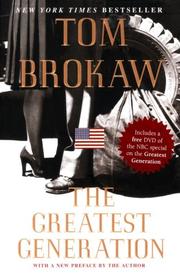 The Greatest GenerationTom BrokawA reverent tapestry of ordinary lives shaped by extraordinary historical crucibles.
 The Bully PulpitDoris Kearns GoodwinA sweeping, character-driven epic that traces the rise and tragic rupture of a world-shaping political friendship.
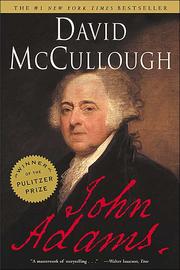 John AdamsDavid McCulloughAn immersive, deeply human portrait of a prickly but passionate founding father and the extraordinary marriage that anchored him.
 An unfinished lifeRobert DallekA monumental, clear-eyed dismantling of American mythology that reveals the fragile, complex humanity behind a legendary figure.
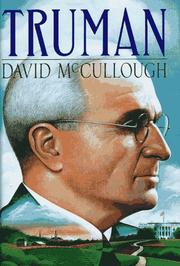 TrumanDavid McCulloughA sweeping, deeply human portrait of an ordinary man thrust into the crucible of extraordinary historical events.
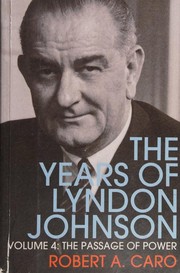 The passage of powerRobert A. CaroA masterclass in narrative history that captures the agonizing wait for power and the terrifying, electrifying moment it is finally seized.