Books › Noli Me Tangere

Noli Me Tangere
First published 1912 · 839 pages
A sweeping, impassioned critique of colonial society wrapped in a tragic romance that burns with the slow, devastating realization of systemic rot.
What it feels like
Reading this foundational classic feels like watching a slow-motion tragedy unfold under the sweltering heat of colonial oppression. It begins with the bright, hopeful energy of a homecoming and the tender promise of romance, but a simmering tension quickly takes over. The narrative voice is a masterful balancing act, bitingly satirical when exposing the hypocrisy of the ruling class, yet deeply earnest and melancholic when exploring the suffering of the marginalized. The prose is sweeping and ornate, demanding a steady, thoughtful pace as it weaves philosophical debates into the fabric of a gripping social drama. It is a deeply atmospheric, emotionally devastating experience perfect for readers who love nineteenth-century epics where personal destinies are crushed beneath the weight of corrupt institutions and historical inevitability.
- Mood
- simmering
- oppressive
- melancholic
- tense
- Tone
- satirical
- earnest
- impassioned
- tragic
- Pace
- steady
- Themes
- colonial oppression · loss of innocence · systemic corruption · thwarted love · national awakening
- The writing
- Ornate and impassioned, blending biting social satire with sweeping romanticism and philosophical weight.
- The arc
- Begins with hopeful idealism and romantic reunion, gradually descending into disillusionment, betrayal, and tragic sacrifice.
- Who it's for
- Readers who appreciate sweeping 19th-century social novels that blend romance, political critique, and tragic destiny.
Content notes
- colonial violence
- religious abuse
- suicide
- torture
- grief
- systemic oppression
About the book
The book revolves on the struggles of young Crisostomo Ibarra: how he humbly fights for his childhood sweetheart Maria Clara, for himself and for his fellowmen against the Spanish priest Padre Damaso and the Spanish Government who were then conquerors of San Diego, his native hometown. Coming home to San Diego from Spain to mourn for his father's death, he learned how his father, a rich illustrado, suffered prior to his death. However, he was surprised by the facts how his father had been treated during a trial and after he died. After learning about this, he decided to continue his father's plan of building a school while reuniting with Maria Clara, his childhood sweetheart from a wealthy family while the former parish priest Padre Damaso keeps on rejecting both. Thus, the story of how the Filipinos got afflicted with the "Cancer of the Society" during the Spanish era is told by none other than the National Hero of the Philippines. Many characters who symbolize every type of Filipino during those times have revolved around these characters. Get a glimpse of how the Filipinos fight for their own right, in their own ways during the 17th century.
Description from Open Library.
Books like Noli Me Tangere
See why they match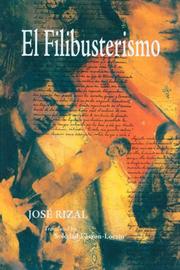 El filibusterismoJosé RizalA dark, simmering tale of a disguised man's calculated vengeance against a corrupt colonial regime that ultimately consumes him.
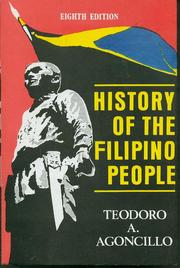 History of the Filipino PeopleTeodoro A. AgoncilloA sweeping, impassioned reclamation of a nation's story, told from the perspective of the people who lived and fought for it.
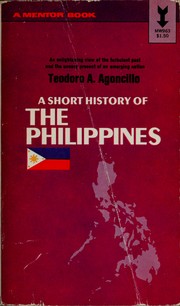 A short history of the PhilippinesTeodoro A. AgoncilloA concise, scholarly journey through the foundational eras of the Philippines.
 CandideVoltaireA breathless, darkly hilarious romp through human suffering that skewers blind optimism with razor-sharp wit.
 The rise and fall of Antonio LunaVivencio R. JoseA meticulously researched, tragic portrait of a fiery patriot undone by the very revolution he sought to lead.
 For Whom the Bell TollsErnest HemingwayA tense, earthy meditation on duty, fleeting love, and the heavy inevitability of death over three days in the Spanish mountains.