Books › Northanger Abbey
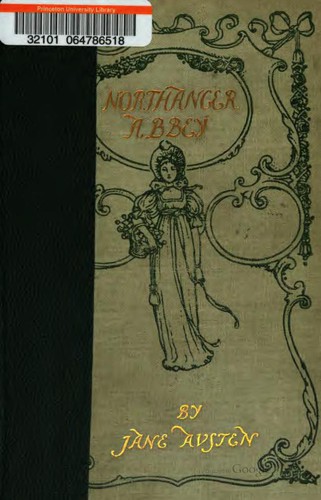
Northanger Abbey
545 pages
A delightfully sharp and affectionate send-up of Gothic melodrama wrapped in a sweet coming-of-age romance.
What it feels like
Reading this feels like sharing an inside joke with a brilliantly observant friend. It is a brisk, sparkling experience that balances the cozy familiarity of a Regency romance with a sharp, satirical edge. The narrative voice is famously intrusive and wry, constantly winking at the reader as it gently mocks the era's obsession with dark, brooding Gothic thrillers. You are immersed in a world of bustling ballrooms and supposedly haunted abodes, experiencing the world through the eyes of a charmingly naive protagonist whose overactive imagination leads to delightful misunderstandings. The prose is elegant yet playful, guiding you through an emotional arc that moves from breathless, romanticized fantasy to a grounded, heartwarming reality. It is perfect for anyone who loves their classic literature served with a generous side of affectionate irony and a deeply satisfying, sensible happily-ever-after.
- Mood
- cozy
- lighthearted
- theatrical
- gently suspenseful
- Tone
- wry
- satirical
- playful
- affectionate
- ironic
- Pace
- brisk
- Themes
- coming of age · dangers of overactive imagination · fiction versus reality · social navigation · first love
- The writing
- Sharp, witty, and elegantly structured, characterized by a highly intrusive, conversational, and ironic narrative voice.
- The arc
- Moves from naive, romanticized excitement through a period of embarrassing disillusionment, culminating in grounded, mature contentment.
- Who it's for
- Readers who love classic literature with a wink, enjoying gentle mockery of tropes alongside a genuinely sweet romance.
Content notes
- mild social humiliation
- classism
About the book
Northanger Abbey is both a perfectly aimed literary parody and a withering satire of the commercial aspects of marriage among the English gentry at the turn of the nineteenth century. But most of all, it is the story of the initiation into life of its naïve but sweetly appealing heroine, Catherine Morland, a willing victim of the contemporary craze for Gothic literature who is determined to see herself as the heroine of a dark and thrilling romance.
When Catherine is invited to Northanger Abbey, the grand though forbidding ancestral seat of her suitor, Henry Tilney, she finds herself embroiled in a real drama of misapprehension, mistreatment, and mortification, until common sense and humor—and a crucial clarification of Catherine’s financial status—puts all to right. Written in 1798 but not published until after Austen’s death in 1817, Northanger Abbey is characteristically clearheaded and strong, and infinitely subtle in its comedy.
Description from Open Library.
Books like Northanger Abbey
See why they match Lady SusanJane AustenA deliciously wicked epistolary romp through drawing-room politics and unapologetic social scheming.
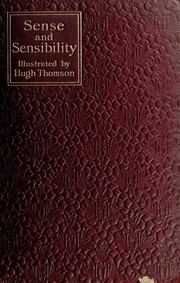 Sense and SensibilityJane AustenA sharp, tender exploration of sisterhood and survival in a world where polite manners mask fierce emotional undercurrents.
 Cousin KateGeorgette HeyerA sparkling Regency exterior slowly peels away to reveal a chilling, claustrophobic Gothic nightmare of family secrets and hidden agendas.
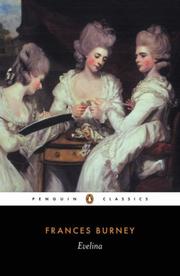 EvelinaFrances BurneyA sparkling, epistolary romp through 18th-century London that balances sharp satirical bite with the breathless anxiety of a debutante's first season.
 Seducing Mr KnightlyMaya RodaleA delightful, cheeky historical romp about a shy advice columnist who decides to take her readers' scandalous advice to win over her oblivious boss.
 The eccentric ladyJane LovelaceA sparkling, laugh-out-loud romp through Regency society where outrageous lies and a stubborn heart collide.