Books › Oblivion
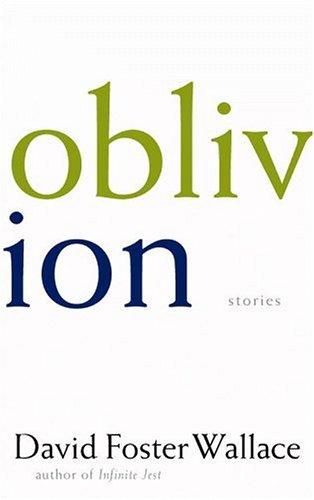
Oblivion
First published 2004 · 336 pages
A dizzying, darkly hilarious plunge into the hyper-articulate and deeply lonely labyrinths of the modern human mind.
What it feels like
Reading this collection feels like being trapped inside a brilliant but endlessly spiraling mind. The pace is deliberately meandering, forcing you to navigate labyrinthine sentences, exhaustive footnotes, and bureaucratic jargon that somehow coalesce into moments of staggering emotional clarity. It is a deeply claustrophobic and anxiety-inducing experience, yet punctuated by flashes of dark, absurd humor and profound empathy. The prose is hyper-articulate and neurotically detailed, mirroring the agonizing self-consciousness of modern life. It demands patience and active surrender from its audience. This is a book for readers who crave challenging, maximalist fiction and find comfort in the raw, naked exposure of human loneliness, alienation, and the desperate, often hilarious attempts we make to connect with one another.
- Mood
- claustrophobic
- anxiety-inducing
- surreal
- absurd
- Tone
- neurotic
- hyper-articulate
- darkly comedic
- clinical
- despairing
- Pace
- meandering
- Themes
- agony of self-consciousness · modern alienation · limits of communication · psychological breakdown · corporate absurdity
- The writing
- Labyrinthine, exhaustively detailed, and recursive, blending sterile bureaucratic jargon with moments of raw, devastating emotional vulnerability.
- The arc
- Begins in a state of hyper-intellectual detachment and spirals downward into a profound, suffocating sense of existential dread and desperate loneliness.
- Who it's for
- Readers who crave challenging, maximalist fiction and are willing to navigate dense, digressive syntax to uncover profound psychological truths.
Content notes
- suicide
- mental illness
- psychological trauma
- child abuse
- graphic bodily descriptions
About the book
In the stories that make up Oblivion, David Foster Wallace joins the rawest, most naked humanity with the infinite involutions of self-consciousness--a combination that is dazzlingly, uniquely his. These are worlds undreamt-of by any other mind. Only David Foster Wallace could convey a father's desperate loneliness by way of his son's daydreaming through a teacher's homicidal breakdown ("The Soul Is Not a Smithy"). Or could explore the deepest and most hilarious aspects of creativity by delineating the office politics surrounding a magazine profile of an artist who produces miniature sculptures in an anatomically inconceivable way ("The Suffering Channel"). Or capture the ache of love's breakdown in the painfully polite apologies of a man who believes his wife is hallucinating the sound of his snoring ("Oblivion"). Each of these stories is a complete world, as fully imagined as most entire novels, at once preposterously surreal and painfully immediate. Oblivion is an arresting and hilarious creation from a writer "whose best work challenges and reinvents the art of fiction" (Atlanta Journal-Constitution).
Description from Open Library.
Books like Oblivion
See why they match Brief Interviews With Hideous MenDavid Foster WallaceA dizzying, darkly hilarious plunge into the neurotic, self-justifying minds of profoundly alienated people.
 A supposedly fun thing I'll never do againDavid Foster WallaceA hyper-articulate, deeply neurotic plunge into the surreal and exhausting landscape of American leisure.
 PastoraliaGeorge SaundersA hilarious, heartbreaking funhouse mirror reflecting the soul-crushing absurdities of modern work and life.
 No One Belongs Here More Than YouMiranda JulyA tender, delightfully weird exploration of lonely people fumbling toward connection in the most unexpected ways.
 Get in TroubleKelly LinkA darkly playful plunge into a world where suburban anxieties and teenage sleepovers collide with ghosts, superheroes, and the uncanny.
 Reasons to liveAmy HempelA masterclass in saying everything by saying almost nothing, wrapping profound grief in sharp, brittle wit.