Books › Occult Features of Anarchism
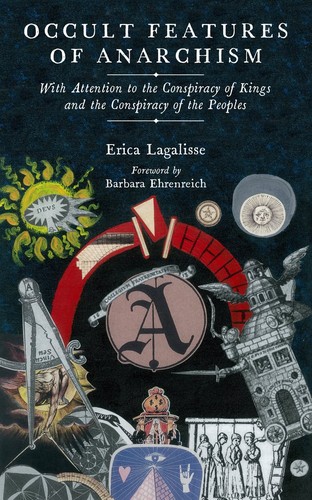
Occult Features of Anarchism
With Attention to the Conspiracy of Kings and the Conspiracy of the Peoples
138 pages
A rigorous, esoteric excavation of the hidden magical and gendered roots of radical leftist movements.
What it feels like
Reading this book feels like stepping into a clandestine archive where the boundaries between political revolution and occult philosophy dissolve. The pace is steady and deliberate, guiding the reader through a dense, scholarly labyrinth of Renaissance magic, Illuminati history, and contemporary anarchist theory. The mood is deeply intellectual and esoteric, steeped in the atmosphere of hidden histories and radical countercultures. The prose is analytical and rigorously researched, challenging long-held assumptions about secularism and atheism in leftist spaces. It is a provocative, contemplative experience that asks the reader to reexamine the masculine, clandestine origins of modern political thought. This text will delight critical thinkers, historians of the occult, and anyone fascinated by the unseen intersections of gender, religion, and radical politics.
- Mood
- intellectual
- esoteric
- contemplative
- Tone
- scholarly
- critical
- analytical
- provocative
- Pace
- steady
- Themes
- hidden histories · magic and politics · gender in radical spaces · dismantling misinformation
- The writing
- Academic and rigorously researched, weaving historical analysis with anthropological observation.
- The arc
- Moves from historical curiosity and unraveling misinformation to a critical reflection on contemporary political movements.
- Who it's for
- Readers fascinated by the intersections of radical leftist politics, esoteric history, and feminist critique.
Content notes
- discussions of political oppression
- gender-based marginalization
About the book
In the nineteenth century anarchists were accused of conspiracy by governments afraid of revolution, but in the current century various “conspiracy theories” suggest that anarchists are controlled by government itself. The Illuminati were a network of intellectuals who argued for self-government and against private property, yet the public is now often told that they were (and are) the very group that controls governments and defends private property around the world. Intervening in such misinformation, Lagalisse works with primary and secondary sources in multiple languages to set straight the history of the Left and illustrate the actual relationship between revolutionism, pantheistic occult philosophy, and the clandestine fraternity.
Exploring hidden correspondences between anarchism, Renaissance magic, and New Age movements, Lagalisse also advances critical scholarship regarding leftist attachments to secular politics. Inspired by anthropological fieldwork within today’s anarchist movements, her essay challenges anarchist atheism insofar as it poses practical challenges for coalition politics in today’s world.
Studying anarchism as a historical object, Occult Features of Anarchism also shows how the development of leftist theory and practice within clandestine masculine public spheres continues to inform contemporary anarchist understandings of the “political,” in which men’s oppression by the state becomes the prototype for power in general. Readers behold how gender and religion become privatized in radical counterculture, a historical process intimately linked to the privatization of gender and religion by the modern nation-state.
Description from Open Library.
Books like Occult Features of Anarchism
See why they match On AnarchismNoam ChomskyA sharp, accessible, and surprisingly optimistic exploration of anti-authoritarian thought that challenges readers to rethink the structures of power.
 Dreaming the darkStarhawkA contemplative journey into how ancient spiritual practices can heal the modern fractures between the individual and society.
 Occult AmericaMitch HorowitzA brisk, colorful sweep through the hidden, mystical undercurrents that shaped the spiritual life of a young nation.
 Witches, Witch-Hunting, and WomenSilvia FedericiA sobering, fiercely analytical exploration of how capitalist expansion has historically and continually relied on the systemic persecution of women.
 Anarchism and Other EssaysEmma GoldmanA fiery, unapologetic manifesto that dismantles the status quo and dares to imagine a world built on absolute freedom.
 Liber kaosPeter J. CarrollA cerebral and unconventional exploration of the mind's hidden potential through the lens of esoteric philosophy.