Books › One thousand ways to make $1000

One thousand ways to make $1000
478 pages
A plucky, vintage masterclass in hustle that proves the fundamentals of resourcefulness never go out of style.
What it feels like
Reading this book feels like stepping into a time machine and sitting down with a relentlessly optimistic mentor from the 1930s. The pace is brisk and episodic, making it easy to dip in and out of its myriad, sometimes quaint, money-making schemes. While the specific ideas like goat dairying or renting out billiard tables evoke a deep sense of nostalgia, the underlying mood is one of fierce, industrious determination. The conversational, earnest prose strips away modern corporate jargon, leaving behind a pure, unadulterated celebration of grit and resourcefulness. It is a delightful experience for aspiring entrepreneurs and history buffs alike, offering a fascinating blend of historical curiosity and timeless, practical wisdom that leaves you feeling surprisingly motivated to start building something of your own.
- Mood
- optimistic
- industrious
- nostalgic
- determined
- Tone
- plucky
- practical
- earnest
- conversational
- encouraging
- Pace
- brisk
- Themes
- entrepreneurial grit · self-reliance · historical curiosity · resourcefulness · the power of compound interest
- The writing
- Immediate, conversational, and straightforward, carrying the distinct, earnest cadence of Depression-era self-improvement.
- The arc
- Begins as a charming historical curiosity and builds into a genuinely motivating call to industrious action.
- Who it's for
- Aspiring entrepreneurs and finance history buffs who appreciate vintage hustle and timeless business fundamentals.
Content notes
- outdated social norms
About the book
First published in 1936, One Thousand Ways to Make $1000 is the long out-of-print book that Warren Buffett's biographers credit with shaping the legendary investor's business acumen and giving him his trademark appreciation of compound interest. After pulling a copy of One Thousand Ways off a library shelf at age eleven and devouring F.C. Minaker's plucky and practical business advice, Buffett declared that he would be a millionaire by the time he was 35. Written in the immediate, conversational style of Dale Carnegie's How to Win Friends and Influence People, this book is full of inventive ideas on how to make money through excellent salesmanship, hard work, and resourcefulness. While some of the ideas may seem quaint today-goat dairying, manufacturing motor-driven chairs, and renting out billiard tables to local establishments are among the money-making ideas presented- the underlying fundamentals of business explained in these pages remain as solid as they were over seventy years ago. Covering a wide spectrum of topics including investing, marketing, merchandising, sales, customer relations, and raising money for charity, One Thousand Ways to Make $1000 is both a durable, classic business book and a fascinating portrait of determined entrepreneurship in Depression-era America. Every effort has been made to reproduce the content exactly as it was originally presented.
Description from Open Library.
Books like One thousand ways to make $1000
See why they match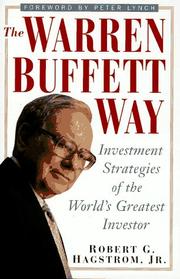 The Warren Buffett wayRobert G. HagstromA masterclass in rational wealth-building that trades Wall Street frenzy for quiet, calculated patience.
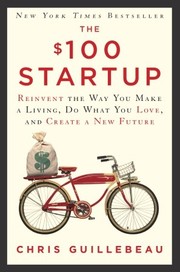 The $100 startupChris GuillebeauA shot of pure entrepreneurial espresso that makes the leap from daydream to reality feel entirely within reach.
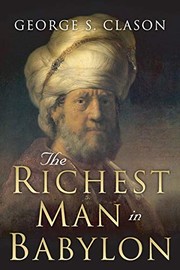 The Richest Man in BabylonGeorge S. ClasonA collection of ancient-feeling parables that transforms basic financial literacy into empowering, timeless wisdom.
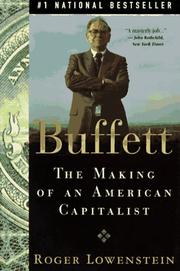 BuffettRoger LowensteinA meticulously researched portrait that demystifies a financial titan, revealing how a philosophy of patience shaped both a massive fortune and a solitary life.
 The Master-Key to RichesNapoleon HillA foundational masterclass in cultivating the mindset and habits required to unlock personal and financial abundance.
 How to Make Money in StocksO'Neil, WilliamA rigorous, chart-heavy masterclass in tuning out market noise and trusting the data.